Furnishing might not be your top priority when moving. But it is one of the most important decisions that can quietly cost you the most money if you get it wrong.
That's why it's worth asking early: is it better to rent or buy furniture? Renters who don't often find themselves paying more than they planned. Homeowners who buy often end up furnishing without a clear strategy. Renting gives you flexibility, while owning gives you long-term value.
Which one you need depends entirely on where you are right now, including how long you need the furniture, your upfront budget, and the yield you want out of your investment.
In this blog, we walk you through real numbers and everything you need to make a sound decision on renting versus buying furniture, so you can save money. Read through.
Is It Better to Rent or Buy Furniture?
Buying furniture makes more financial sense over time. You own the pieces outright, with no monthly fees eating into that value. Renting works better when your stay is under 12 months, where the flexibility is worth more than the long-term saving.
The Key Differences
| Factor |
Renting |
Buying |
| Cost Timeline |
Lower initial costs but higher monthly/instalment payments |
Higher upfront cost but no recurring payment |
| Ownership |
No ownership |
Complete ownership |
| Flexibility |
Easy to return, move, or upgrade. Move assistance is included in the services. |
Company-specific return policy and must move and install the furniture yourself |
| Maintenance |
Maintenance is dependent upon company policy, usually included |
No maintenance provided by the company. Can be requested separately. |
| Customisation |
Limited customisation options |
Unlimited customisation options to suit your style and layout. |
| Long-term Value |
No long-term value |
Assets you own and recoup cost |
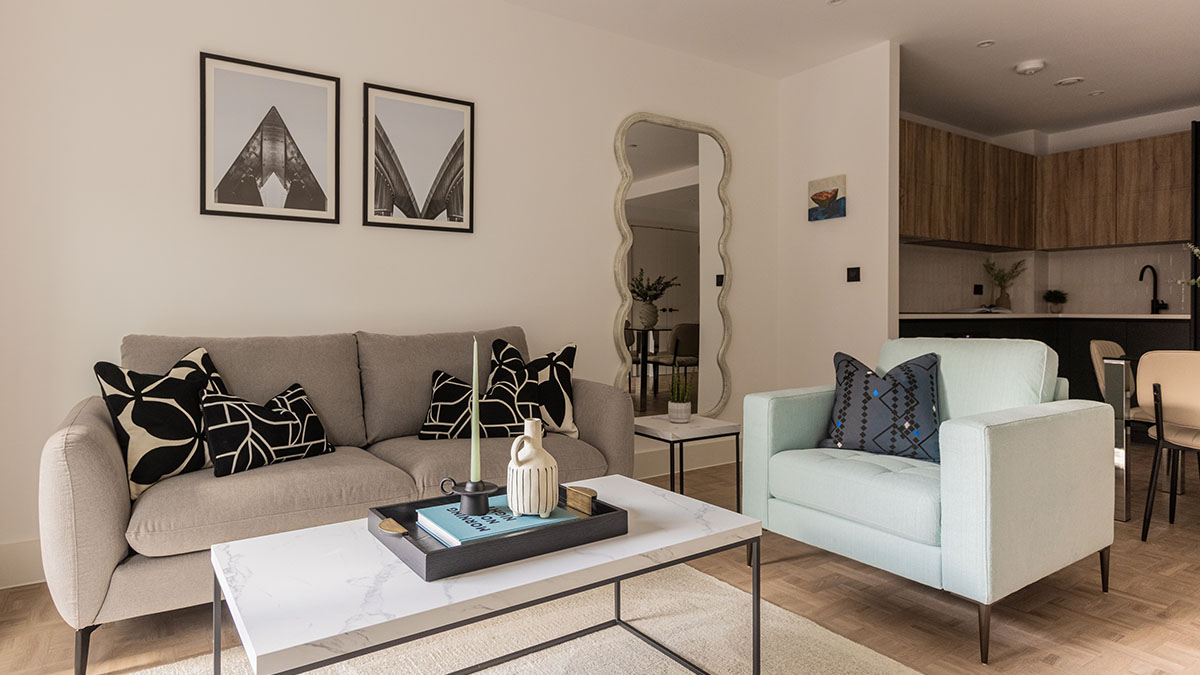
Cost Comparison: Renting vs Buying
| Period |
Rental |
Purchase |
| Initial Payment |
£250 to £500 per month (+VAT+deposit+first month) |
£3,000 to £4,000 |
| 6-12 Months (Short-term) |
£1500-£3000 |
No added investment |
| 2-4 Years (Long-term) |
£6000-£12000 |
Repair or maintenance checks: £200 |
| Hidden Costs |
Insurance, service fees, damage charges |
Moving costs, maintenance charges |
| Value Over Time |
£0 (no ownership) |
Complete ownership, plus added resale value |
Note: All figures are tentative for representation purposes; prices may differ.
A typical one-bedroom rental runs £250 to £500 per month, totalling £1,500 to £3,000 over six to twelve months. Larger two and three-bedroom properties can cost £400 to £750 and £600 to £1,100 per month respectively.
Buying, on the other hand, starts at £3,000 to £4,000 for a one-bedroom, scaling to £5,000 to £7,000 and £8,000 to £12,000 for larger homes. No monthly fees or recurring costs.
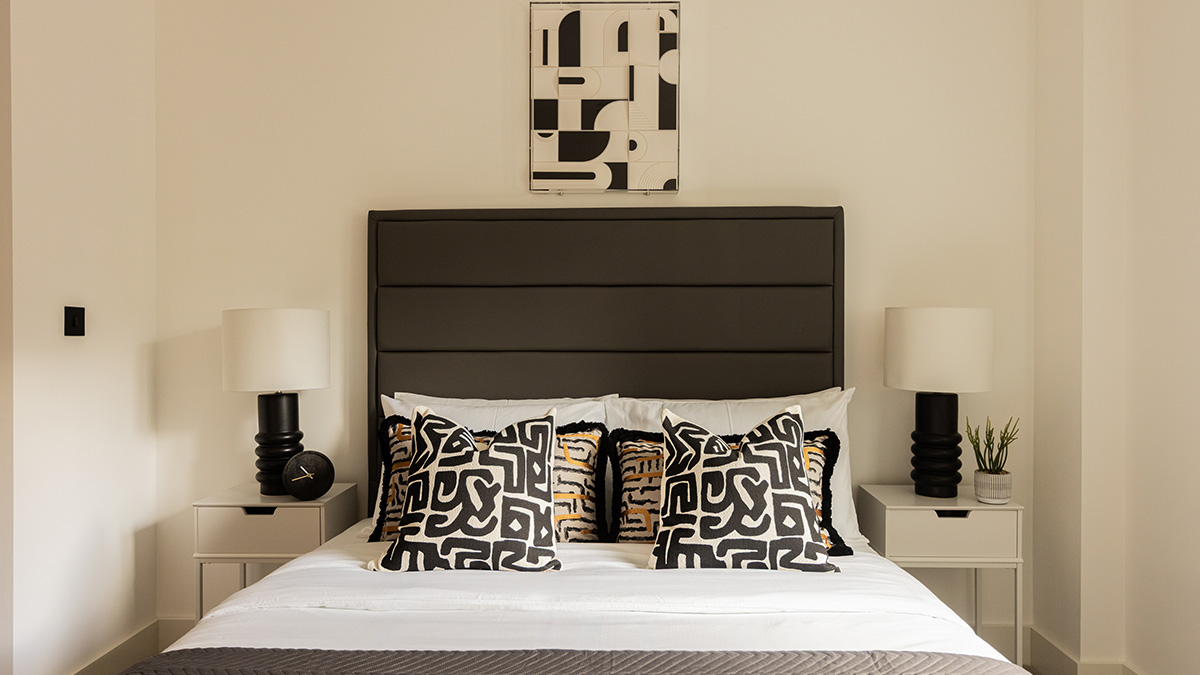
Pros and Cons of Renting Furniture
Pros
- Upfront costs are quite low. A deposit and the first month's rent are typically all you need to get started.
- Items can be returned, swapped, or upgraded as needs change.
- Maintenance is typically handled by the provider, removing the burden from the renter.
- No obligations when the lease ends. Furniture is simply returned, with no selling or storage to arrange.
Cons
- Monthly fees compound. Total spend starts to look more than what you'd have paid to buy.
- No ownership. Regardless of how long payments have been made, the furniture needs to be returned.
- Limited personalisation. You are restricted to the inventory, making a tailored look difficult.
- Contracts often carry minimum rental periods, early termination fees, and restrictions on use or modification.
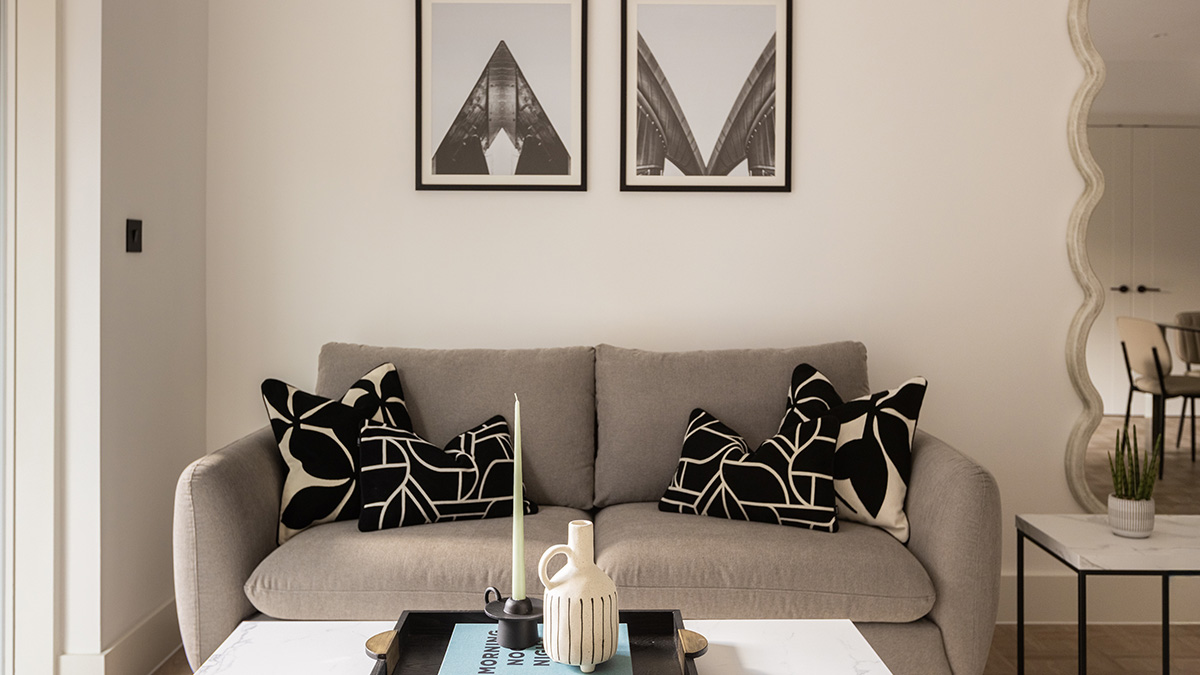
Pros and Cons of Buying Furniture
Pros
- No monthly fees once you've furnished. Over time, that's a significant saving compared to what rental would have cost.
- You choose what you buy, how it's arranged, and what it looks like.
- Your furniture becomes an asset, with long-term value.
Cons
- Higher upfront cost. Can be a barrier if cash flow is tight.
- Moving becomes more complicated, especially for large or heavy pieces.
- You're responsible for repairs if anything breaks.
- If you want to change the look or move to a differently sized property, you may need to replace items.
When Renting Furniture Makes More Sense
- Short stays: If you do not plan to stay for more than a year and need only functional, practical furniture, renting is the best choice.
- Relocation: Professionals who move regularly for work get the most out of rentals. It removes the burden of ownership entirely, and most providers build corporate move provisions and flexible terms into their agreements.
- Temporary residence: Rentals also work as an immediate, practical furnishing solution during short-term needs such as a renovation or property sale.
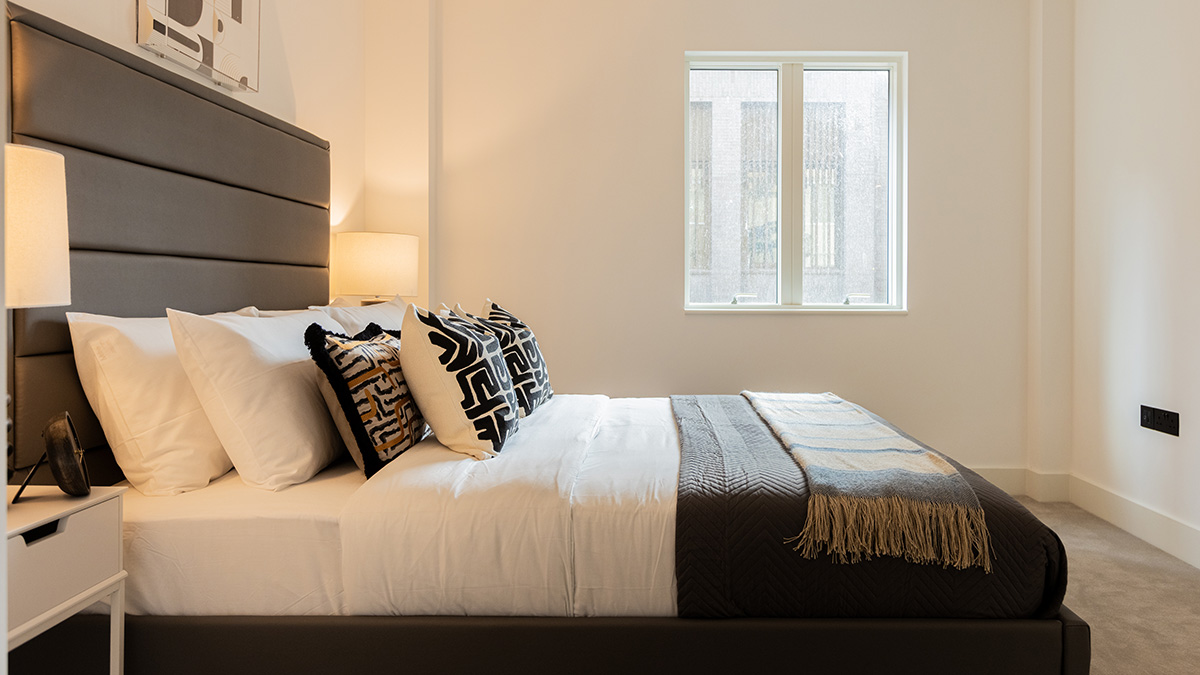
When Buying Furniture Is Better
Permanent residence: Owning is inadvertently better when you plan to stay in a location for years. It allows customisation, and you get the full value of initial payment.
Long-term stay: Well-made furniture holds up for decades. For permanent stay or households with children or pets, durable pieces bought once are a sound investment.
Personalisation: Buying gives you the time and freedom to curate your home around your taste and standards.
Building home equity as a landlord: For landlords and investors, purchasing furniture can increase rental income, attract better-quality tenants, and add to the overall asset value of the property.
For a detailed look at the landlord and investor side of this decision, read
our guide on renting or buying furniture for investment properties.
What Experts Say About Buying vs Renting
Your personal goals and timeline should drive this decision more than anything else. Students and professionals moving within twelve months will find rental both practical and cost-efficient. For anyone staying longer, buying, even at the budget end, builds long-term savings and gives you something to recoup through resale when the time comes.
Start with the pieces that matter most: a quality mattress, a sofa built to last, or a solid dining table. Add to it gradually as your budget allows rather than trying to furnish everything at once.
If you are a homeowner or renter working out the right furnishing solution for your space, our experts can help you find the right fit for your needs.
Let’s connect.