




Key Takeaways:
-
-
- Furniture moves after exchange: Relocation is typically triggered after the contract is exchanged and before completion, and sometimes earlier if the developer is confident the sale will go through.
- The developer identifies the next unit: The development sales team notifies InStyle Direct when a unit sells without the furniture and identifies where it should be moved.
- Layout decides the timeline: A matching layout can typically be moved within two weeks of instruction. A different or larger unit takes longer, as updated moodboards are approved first.
- The move itself is quick: Reinstallation is normally completed within a day, followed by photography for marketing. Our team will notify you if the process takes longer.
- Furniture can be sold with the unit, or retained and reused: The developer owns the furniture and determines how it is used according to their sales strategy, with selected items refreshed to maintain a consistent look.
-
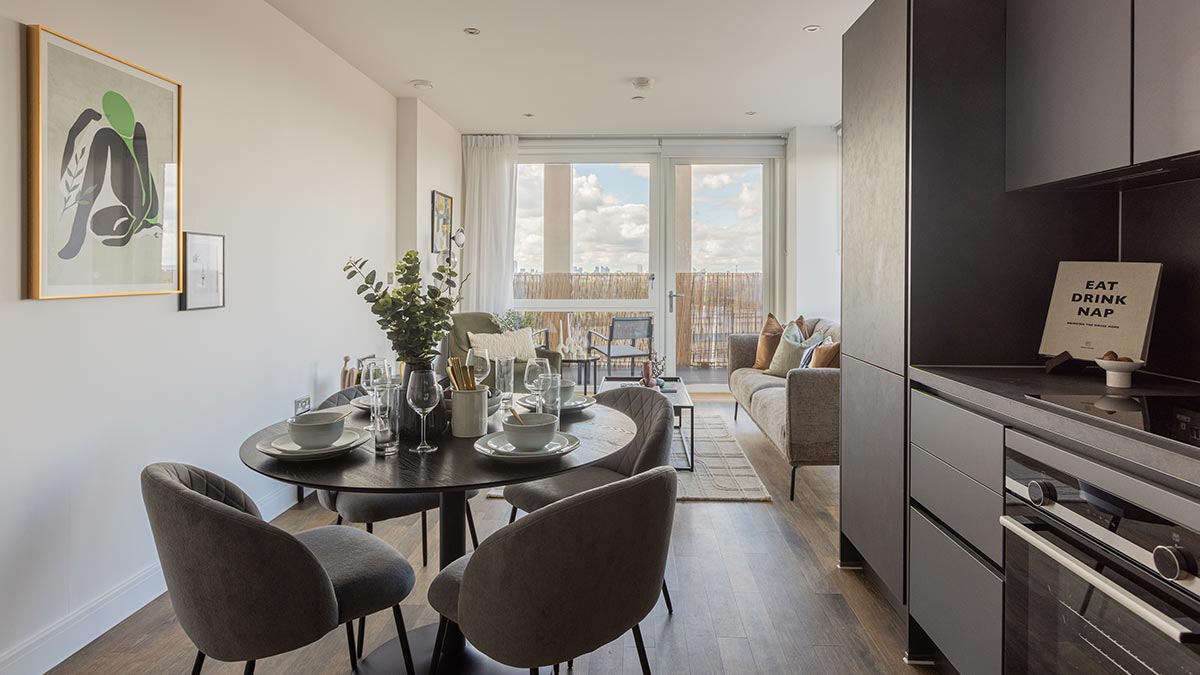
In a Dress to Sell or professional staging scheme, the developer owns the furniture, so it stays until the unit sells. The developer can either sell it with the property or retain it for reuse. For development managers who want to understand how the process works before signing off, here is InStyle Direct’s step-by-step approach.
 When Does Furniture Move Between Units in a Professional Dress to Sell Scheme?
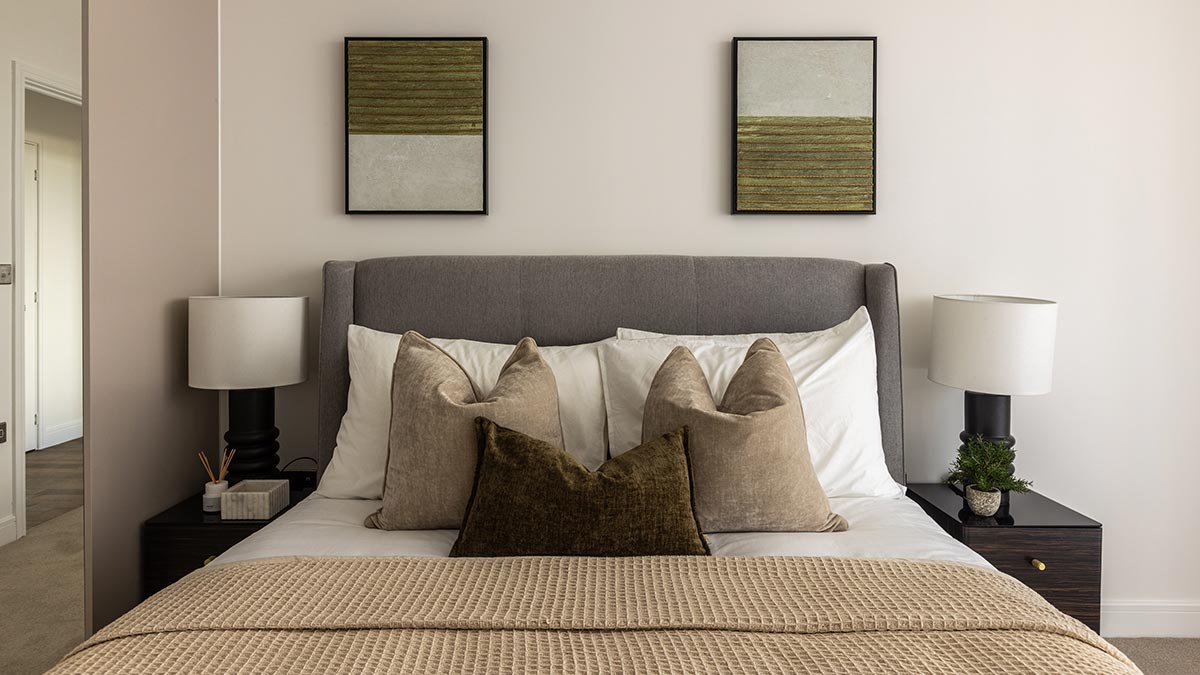
Furniture relocation is usually triggered after the exchange of contracts and before completion. Where the developer is confident a purchase will go through, it can be triggered even earlier at the offer stage. Although relocation can be planned at this point, the physical move may take place closer to completion, giving InStyle Direct time to coordinate the process before the sale completes.
What the Relocation Involves: Step-by-Step InStyle Process
Sale confirmed
The developer’s sales team confirms that the unit has sold without the furniture being included in the sale.
InStyle notified
The developer’s sales team contacts InStyle Direct and identifies the next unit for relocation.
Layout check
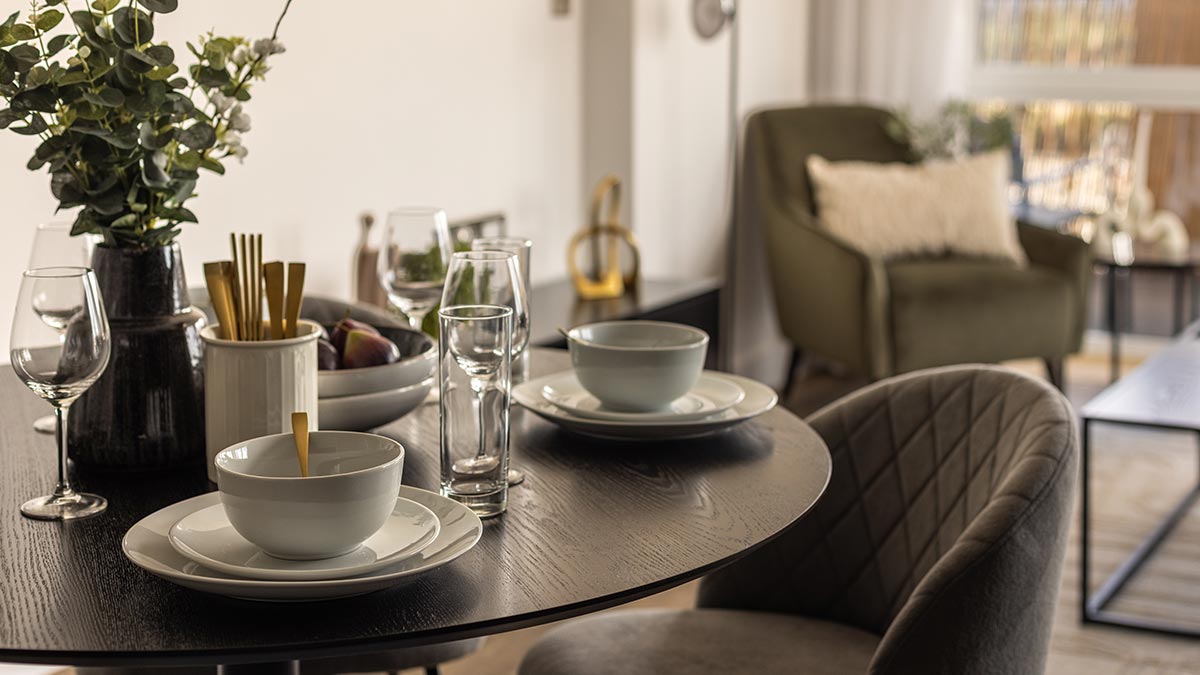
InStyle’s design team assesses the new unit against the existing furniture scheme. If the layout matches, reinstallation happens without changes. However, if it differs or the new unit is larger, our team reconfigures the scheme, recommends additional or replacement furniture, and sends an updated moodboard for the developer’s approval.
 Move scheduled
For a matching layout, the move can typically be completed within two weeks of instruction. A different or larger unit may take longer if additional furniture or design changes are required.
Furniture packed for safe transport
InStyle’s team takes preventative measures so that the furniture remains protected during transit. This includes dismantling and packing each item in line with our expertise and industry best practice. The specific handling requirements depend on the items being moved and the circumstances of the relocation.
Installed and refreshed
Furniture is reinstalled in the new unit, normally within a day (we let you know if it takes longer for any reason), with selected items or accessories refreshed if the developer wishes.
Photographed
Photography of the new unit is arranged to support the next marketing campaign.
 What Items Can and Cannot Be Relocated, and How Their Condition Is Protected
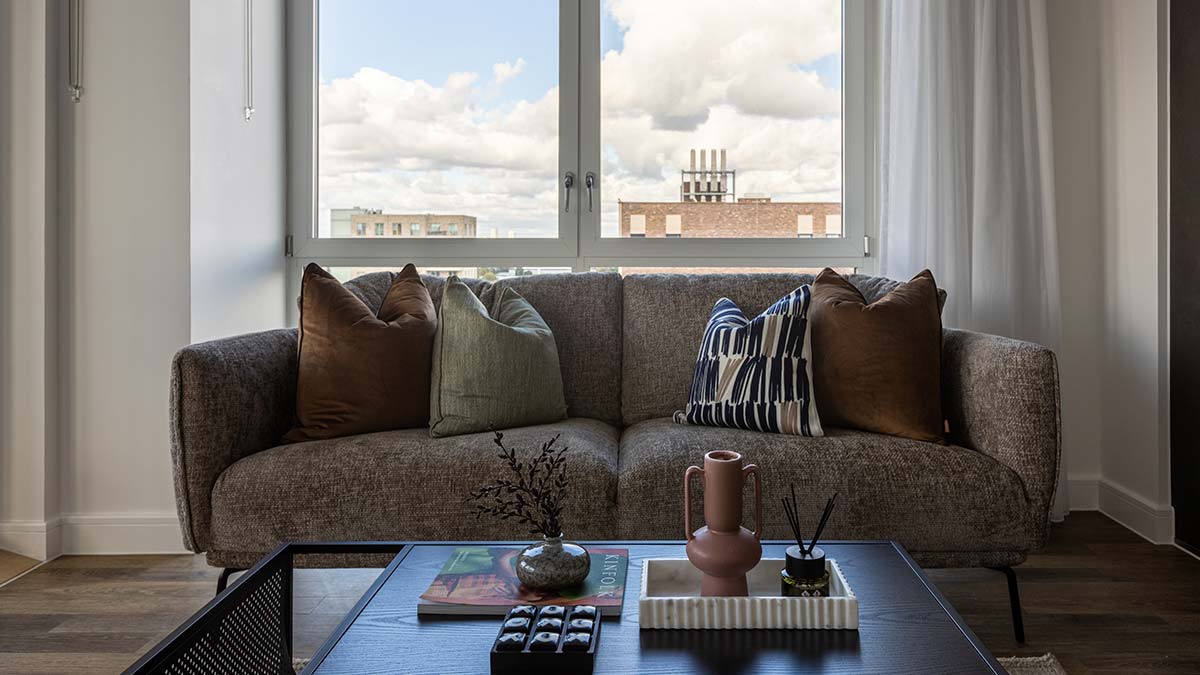
Most furniture and accessories can be reused, provided they are suitable for the new property. Fixed items, where applicable, may remain in the original unit. The relocation team assesses which furnishings can be transferred and how.
| Item | Handling and Protection |
|---|---|
| Upholstered furniture & soft seating (sofas, armchairs, ottomans) | Wrapped in protective covers, with feet removed where possible to fit corridors and lifts. |
| Beds and headboards | Frames dismantled where necessary, with hardware labelled and packed separately; mattresses bagged and headboards wrapped. |
| Case goods (dining tables, sideboards, desks) | Corner-guarded and wrapped, with legs removed where fitted. Bases and legs checked to ensure protective feet are in place or reattached where needed to protect flooring. |
| Lighting (floor and table lamps) | Bulbs removed, shades boxed separately where necessary, and bases wrapped to protect finishes. |
| Artwork and wall décor | Frames and glass wrapped and corner-guarded, with fixings removed where necessary. |
| Soft furnishings and decorative accessories (rugs, cushions, throws and fragile items) | Rugs rolled and sealed, cushions and throws boxed, fragile items individually wrapped. |
| Window dressings | Made to measure, so different window dimensions may require new pieces. |
| Crockery, glassware and tableware (plates, bowls, wine glasses and tumblers) | Plates and bowls individually paper-wrapped in padded boxes; wine glasses wrapped with stems protected and dividers used; tumblers wrapped and packed upright with cushioning. |
| Cutlery, kitchen tools and utensils | Cutlery bundled by set in small boxes; utensils grouped into sets, with sharp or delicate items wrapped separately. |
| Pots, pans and kitchenware | Nested together with protective padding, with lids wrapped separately. |
| Coffee tables, side tables and glass table tops | Coffee tables blanket-wrapped with corners protected; side tables wrapped with legs, corners and surfaces protected; glass tops wrapped separately and transported upright. |
Note: Handling varies by item and site access, and InStyle’s team decides the right approach for each move.
Once installed, the team gives the furnishings a quick refresh to remove marks and ensure the property is presentable for marketing.
 How Many Times Can Furniture Be Relocated Across a Scheme?
How often furniture is relocated depends on the developer’s sales strategy and how the furniture is intended to be used. It can either be sold with the property as an incentive package, or retained by the developer for relocation to another unit. Where layouts differ, our design team assesses the existing furniture and recommends any additional or replacement pieces required. This gives you greater flexibility to reuse your original staging investment across multiple properties, rather than furnishing each unit from scratch.
At Coronation Square and Hertford Mills, both of which are Taylor Wimpey schemes, InStyle has relocated furniture to units of the same and larger layouts at least three or four times over the past year, helping the developer sell those properties. Each move extends the return on one furniture investment, as set out in our guide to the cost and ROI of Dress to Sell.
 Who Is Responsible for the Relocation: Developer or InStyle?
InStyle manages the relocation process from start to finish, including design checks, protection, transport, reinstallation and photography. The developer’s sales team only needs to notify InStyle when a unit sells without the furniture and identify the next one.
A relocation charge applies, quoted separately depending on whether the move is within the same development or to another development. To discuss your scheme, you are welcome to get in touch about our dress-to-sell service.