




Key Takeaways:
-
- Dress to Sell for developers means they own the furniture outright; it’s not a rental arrangement like traditional home staging.
- Furniture can be reused in the next unsold unit once a sale completes, so one investment keeps working across the whole scheme.
- The model is typically implemented in the late phase of a launch, once some units have sold and others are sitting unsold and starting to look tired next to a live sales gallery.
- The financial case rests on comparing the furniture investment against the accumulating cost of an extended void, including service charges, financing interest, and council tax.
- InStyle’s developer furnishing packages start from £3,395 + VAT, and scale with apartment size and specification; end-to-end delivery, with relocation handled by the same team.
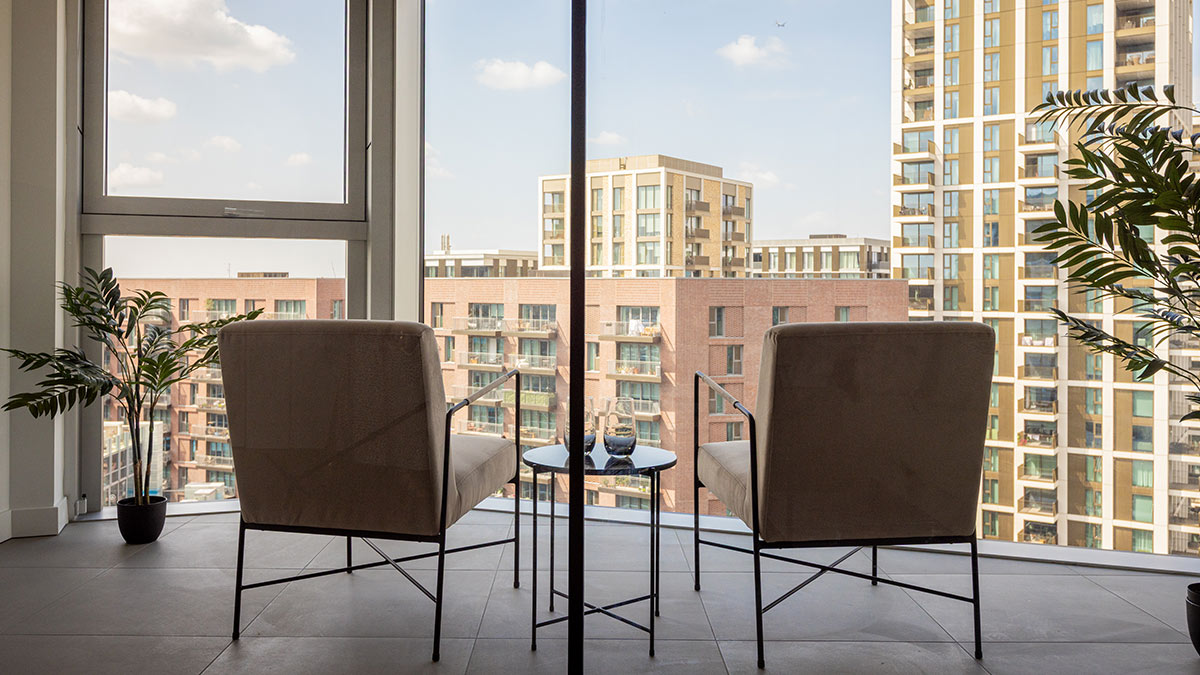
Wondering what Dress to Sell property in London means for developers? It is a professional furnishing service for unsold new-build units, where the developer purchases and owns the furniture outright rather than renting it for a single sale. Once a unit sells, the same furniture can be relocated to the next unsold unit for repeated use.
How Professional Dress to Sell Differs from Traditional Home Staging, and Why the Distinction Matters Financially?
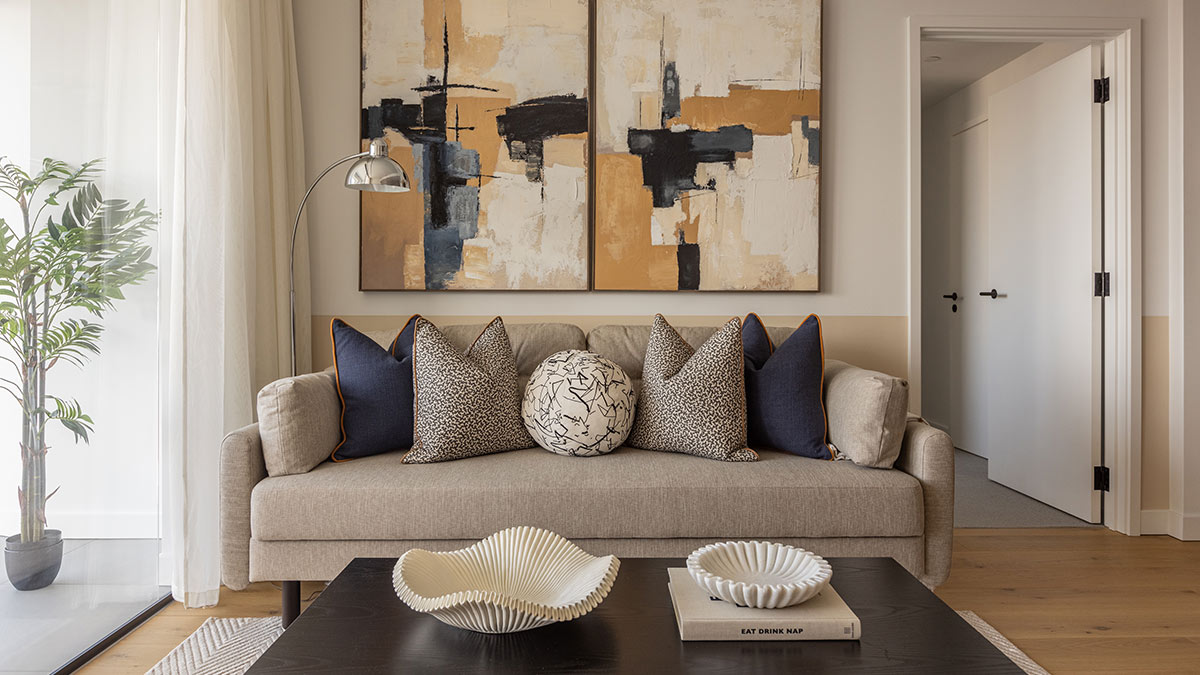
Traditional home staging is a rental cost. A staging company furnishes a single property, the developer pays for the display period, and the furniture is removed once the sale completes or the contract ends, whether or not the unit has sold. Professional Dress to Sell works differently. The developer owns the furniture as an asset from day one. When a unit sells, the furniture stays in the scheme and moves to the next unsold unit. Instead of paying repeatedly for temporary display, the developer owns an asset that keeps generating value across remaining units.
Which Developers Use Dress to Sell, and at What Point in the Sales Cycle?
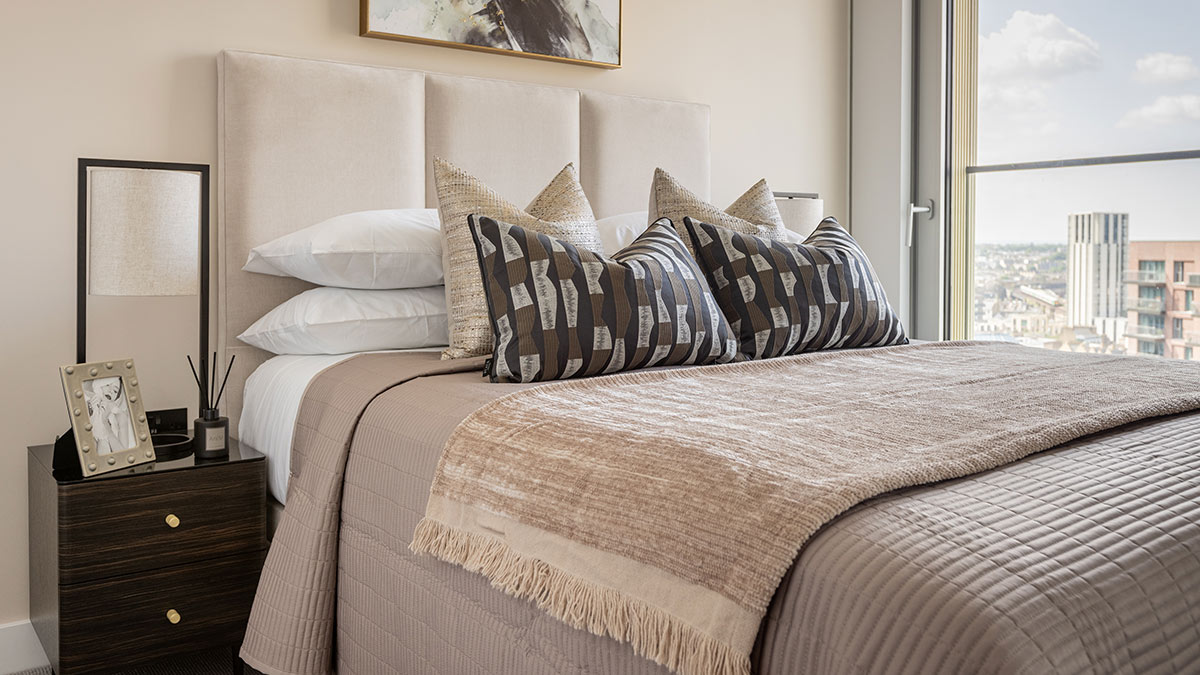
For developers looking at how to sell unsold new-build units in London, Dress to Sell is typically considered when some units have sold and others remain unsold past the initial launch push. This is the point where unfurnished stock starts to look tired next to a live sales gallery, and where extended void periods on remaining units begin to erode a scheme’s margin. It is most relevant to developers managing multi-unit London schemes rather than single-property sales.
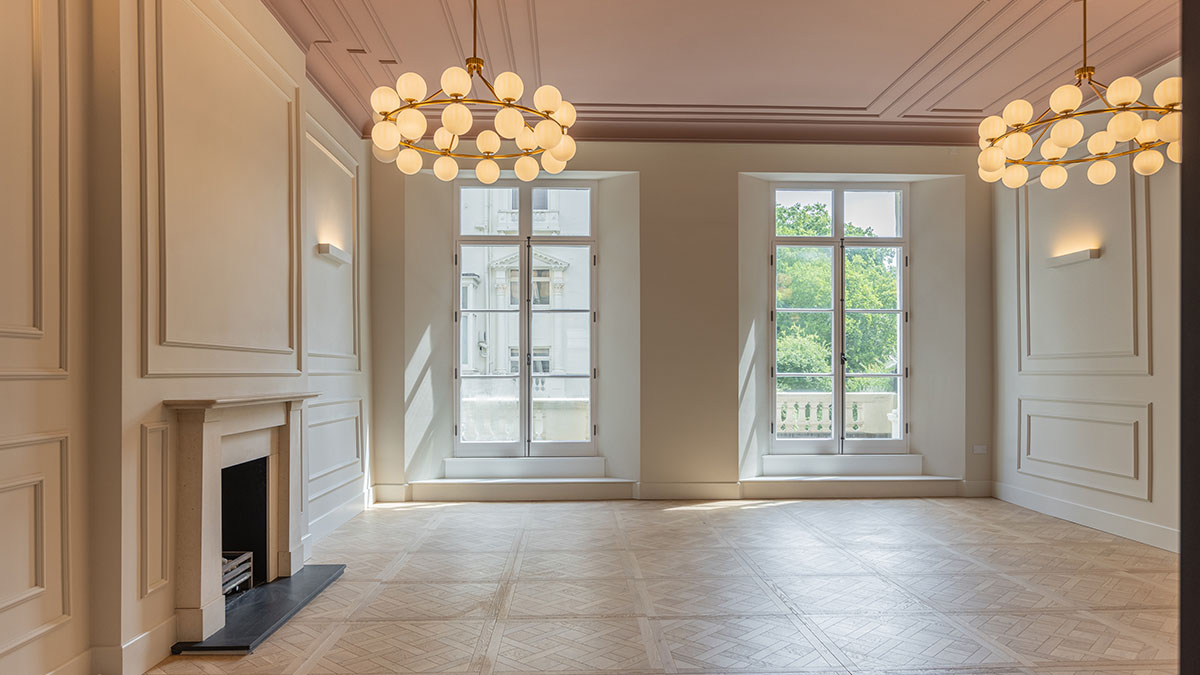
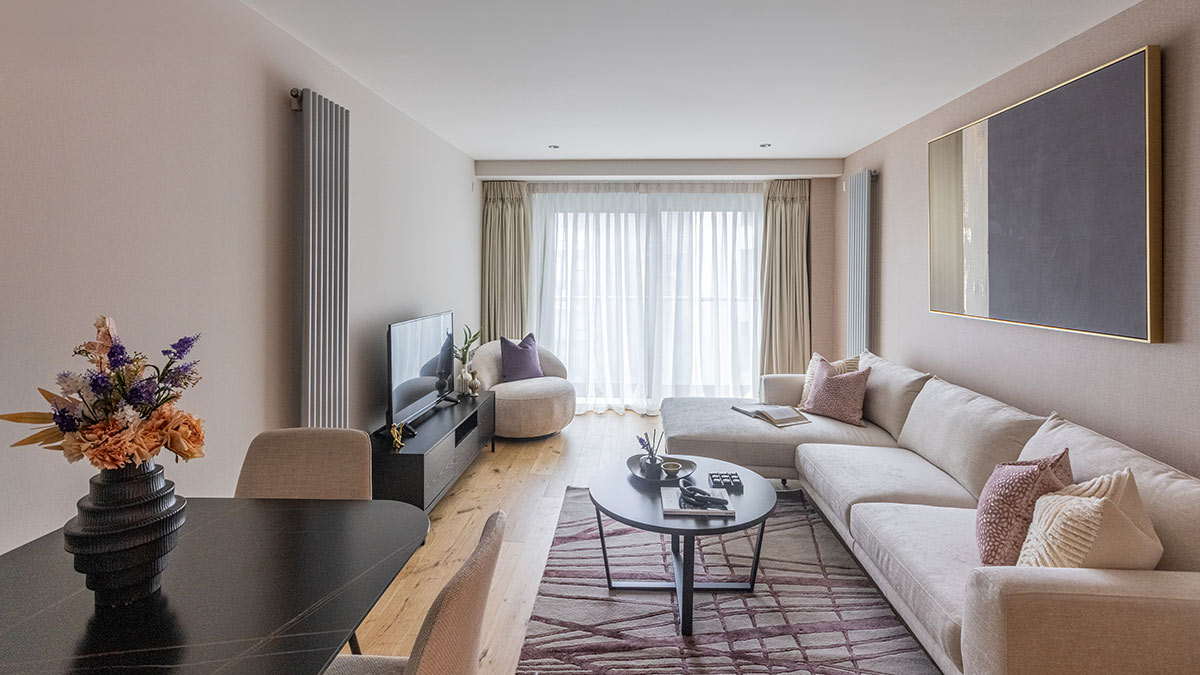
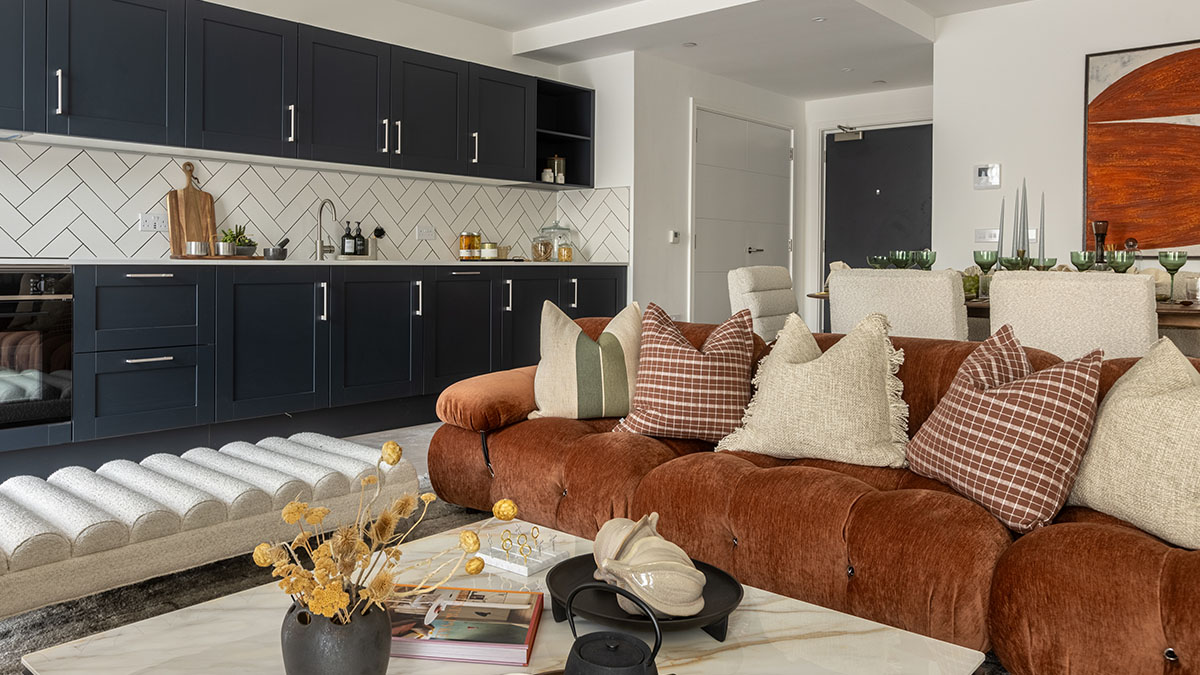
InStyle has delivered dressed units for housebuilders such as Barratt London and Berkeley Homes, with projects spanning view-unit dressing and show homes. Dressed units help prospective buyers visualise scale and layout far better than empty floor plates.
What InStyle Direct’s Dress to Sell Service Includes?
- Consultation
Our designers meet with the developer to understand why units aren’t selling. A site visit may follow to assess layout and recommend a staging approach.
- Tailored proposal
Designers build a furnishing proposal specific to the unit, aimed at increasing appeal during viewings, with cost-effective options considered at this stage.
- Delivery and installation
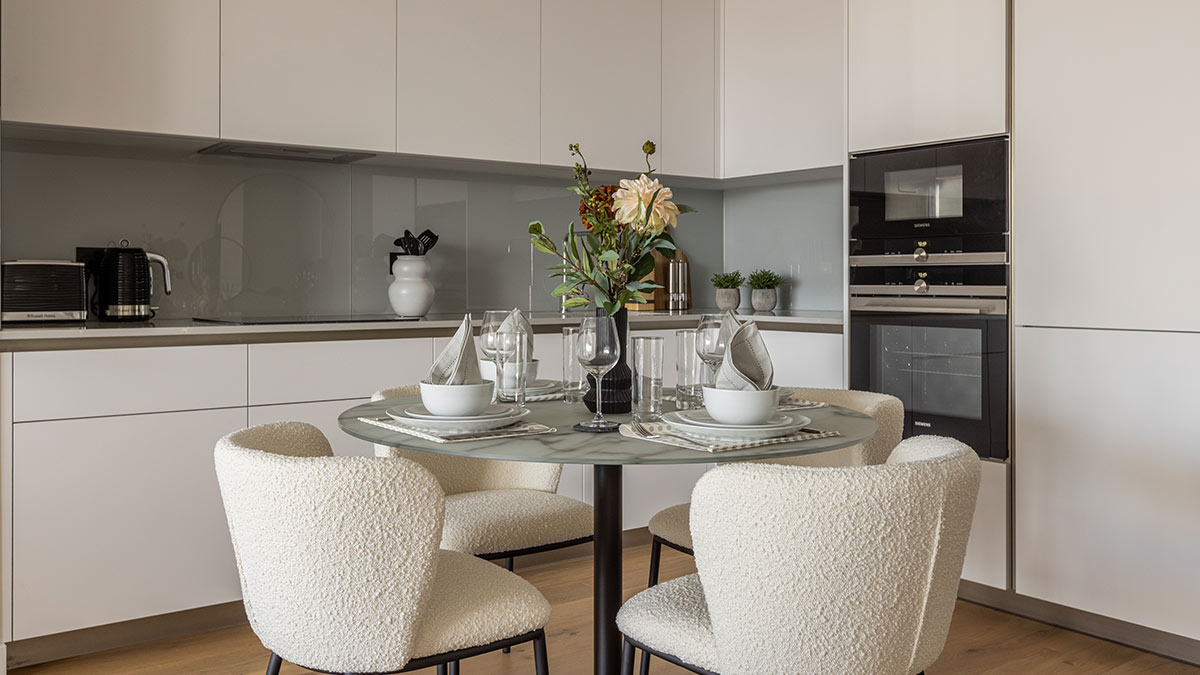
Furniture packs are delivered and installed in as little as 24 to 48 hours from confirmation (subject to stock availability) using our in-house delivery fleet. Packaging and waste from the install are disposed of sustainably.
- Final review
Window dressings, accessories, and decorative styling are added after the primary furniture goes in. Add-on photography and videography are available to help market the unit once staged.
- Sale and relocation
Once a unit sells, the furniture can be transferred to the next unsold unit so one investment can dress multiple homes throughout the development.
How Furniture Moves from a Sold Unit to the Next One Without Damage?
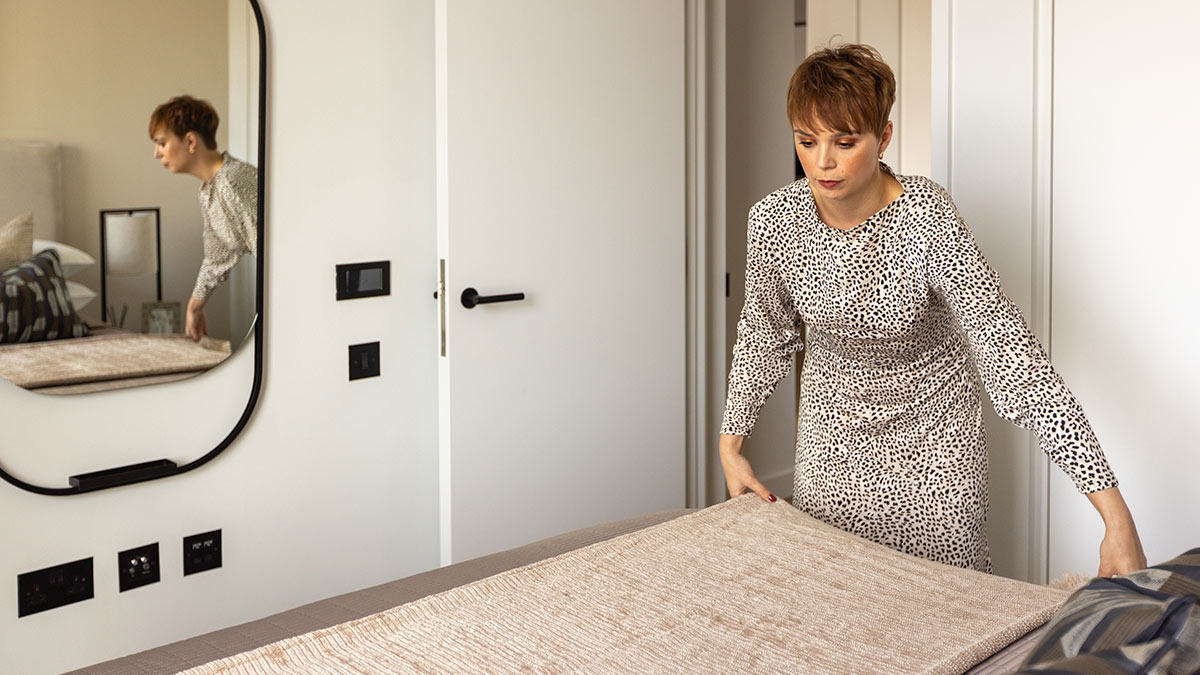
Relocation is handled as a managed process. Furniture is inspected, protected, and transported by the same team that installed it, then reset in the next unit to the original specification. This keeps the presentation standard consistent across every unit and helps minimise wear, mismatched replacements or the downtime that comes with treating each move as a one-off task.
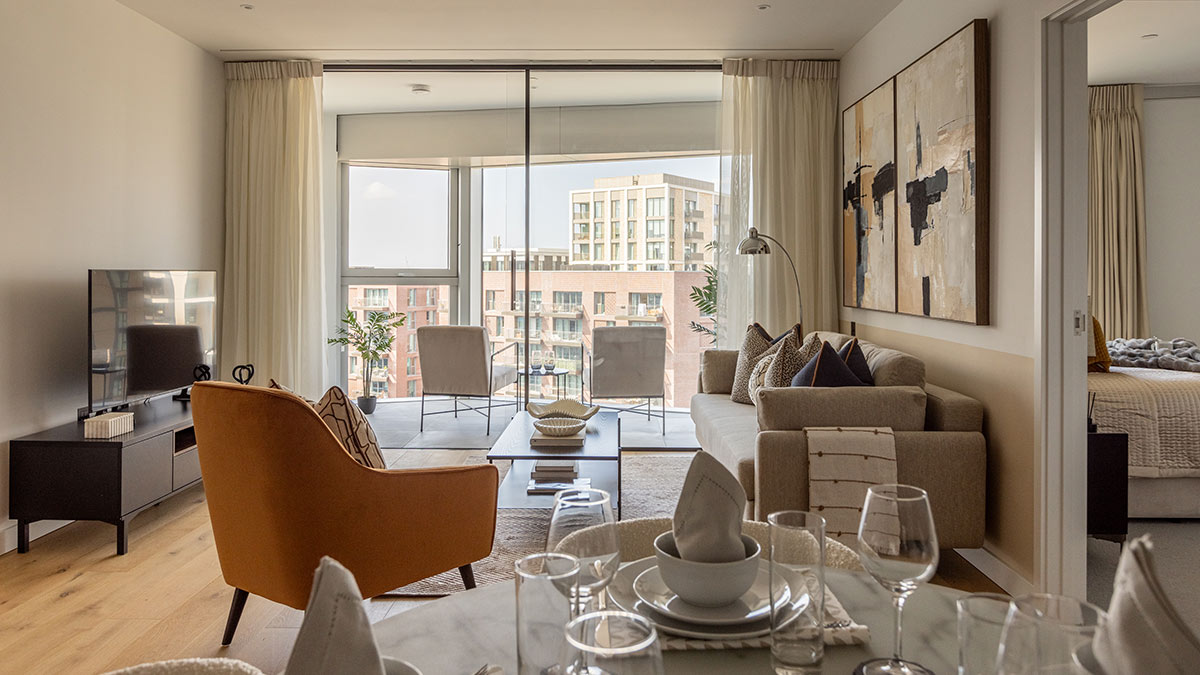
What Professional Dress to Sell Typically Costs, and How Developers Calculate the Payback?
For developers sitting on unsold units, the real question is whether to keep paying for temporary staging on every unit or make one furniture investment that keeps working until the last sale completes. That’s the trade-off Dress to Sell is built for.
The payback is assessed against the cost of an extended void: service charges, financing interest, and council tax accumulate for as long as a unit sits unsold, increasing the ongoing cost of holding the stock.
Our developer furnishing packages start from £3,395 + VAT, scaling with apartment size and specification. If you have unsold units and want to see what professional staging would look like for your scheme, our team can walk you through it.