





Key Takeaways:
-
- Listed buildings can be renovated and modernised. However, certain works may require Listed Building Consent, separate from planning permission and building regulations.
- Condition surveys, consent records, and professional appointments should all happen before work begins.
- Specialist professionals such as conservation officers, heritage architects & structural engineers are a must on listed-building projects.
- Modern comfort and period character are not in conflict; the approach to materials, furnishing, and installation determines the outcome.
- Budget and timeline contingency is essential. Listed-building projects carry variables that standard renovations do not.
Renovating a listed building differs from a standard refurbishment in ways that go beyond regulation. The building’s historic character is part of its value, so any renovation must be planned around it from the outset. Modernisation is possible, as comfortable, lettable, beautifully presented listed properties exist across the UK, but permissions, materials and methods require careful consideration before work begins.

Can You Renovate a Listed Building?
Yes. Listed buildings can be renovated, refurbished and modernised. Listing does not mean the property is frozen in time. What it does mean is that certain works may require Listed Building Consent, and that the building’s special architectural or historic interest must be considered when planning those works. Both external and internal elements may be protected, and what requires consent varies depending on the property, its listing grade, and the proposed scope of work. The starting point is understanding what is protected and why.

What Permissions Do You Need?
- Listed Building Consent
Listed Building Consent may be required where proposed works affect the character or special interest of the building.
Common examples include replacing windows or doors, altering internal walls, changing fireplaces, lifting historic flooring, adding extensions or installing services in ways that affect historic fabric. Consent is not automatically required for all works.
A conservation officer or heritage consultant can advise on this before an application is submitted.
- Planning Permission and Building Regulations
Planning permission applies to changes of use, extensions, and certain external alterations.
Building regulations apply to structural, fire safety, and energy performance standards.
A project may require any or all depending on the scope of work. Confirm requirements with the local planning authority before appointing contractors.

What Should You Check Before Starting Work?
Before appointing contractors or finalising a design, confirm the following:
- Whether the property is listed, as well as its listing grade (Grade I, II*, II); or whether it sits within a conservation area, which carries its own planning restrictions.
- Which features and elements are specifically protected.
- Whether any previous alterations were carried out with the necessary consent. If yes, then do consent records exist?
- Materials and repair methods agreed with heritage professionals before work starts.
- Budget established with contingency for unexpected repairs.
- Timeline confirmed with key programme milestones.
Arrange a condition survey before design work begins. It should cover the roof, damp, timber, windows and doors, flooring, plasterwork, chimneys, plumbing, electrics and drainage. Understanding the building’s condition before specifying the renovation prevents costly design decisions later.

Choose the Right Professionals and Materials
Listed-building projects require professionals with specific heritage experience, such as conservation officers, architects with listed-building experience, structural engineers and specialist contractors. Key considerations include:
- Materials and repair methods should be appropriate to the building. Use lime plaster, lime mortar and breathable materials throughout.
- Take a repair-first approach to original windows, flooring and joinery.
- Avoid removing original features where repair is possible; unnecessary removal is frequently a consent issue.
- Route new wiring, plumbing and heating carefully to minimise damage to historic fabric.
- Coordinate between the structural engineer and specialist contractors early, before installation begins.
InStyle Direct works alongside appointed heritage professionals as a refurbishment, furnishing and interiors partner, handling fit-out, furniture specification, window dressing and installation once structural work is complete.

How Can You Modernise a Listed Building Without Losing Its Character?
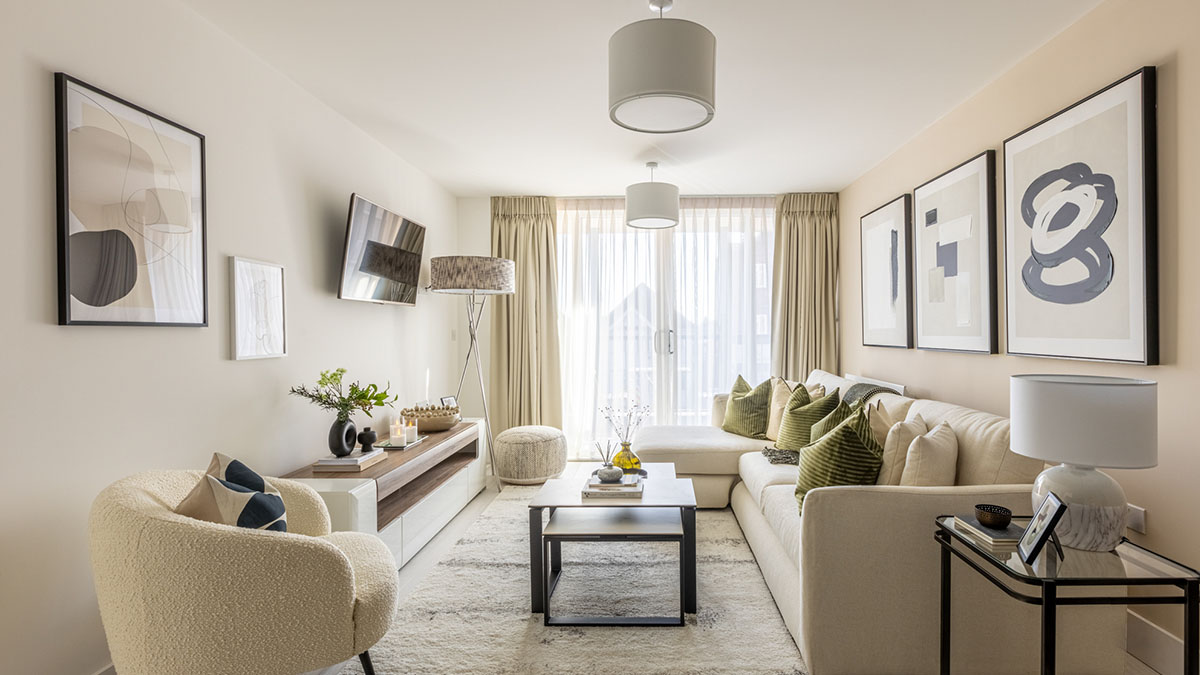
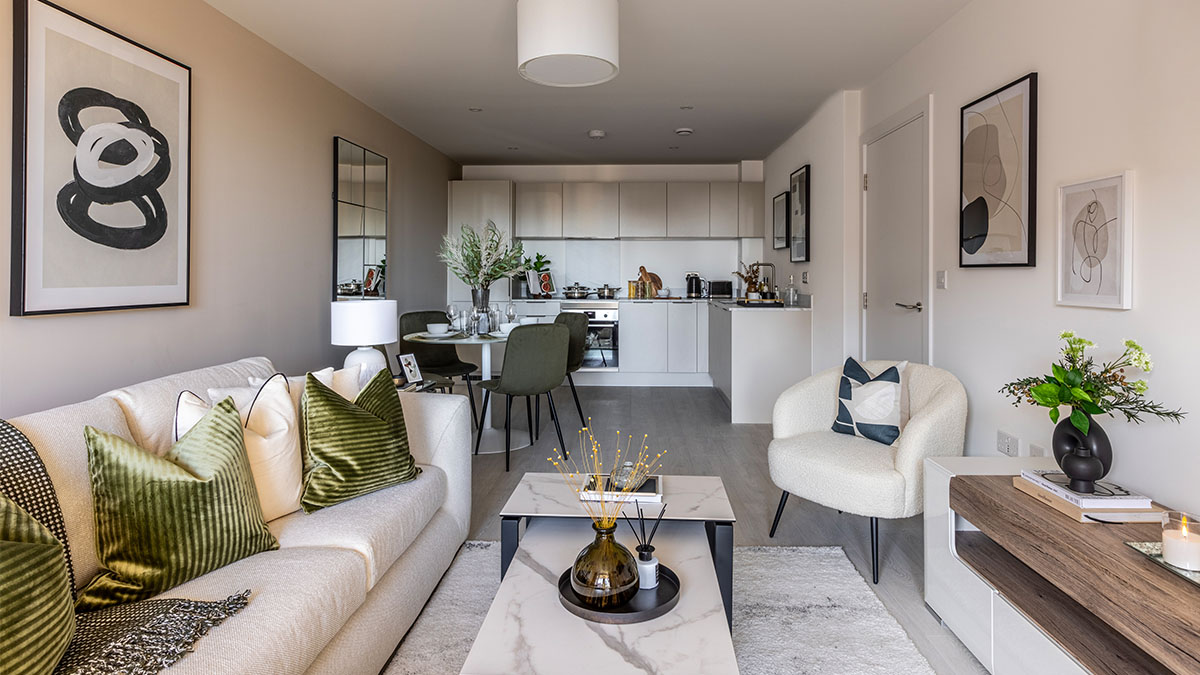
Period features and modern living are not in conflict. The way you plan and install furniture, storage, lighting and window dressings determines whether the two work together or against each other.
- Plan furniture around fireplaces, bay windows and alcoves rather than over them, for a considered and intentional feel.
- Add storage without altering historic fabric using freestanding pieces, fitted units in non-sensitive areas or bespoke cabinetry.
- Introduce lighting improvements with minimal structural intervention. For example, you can go from recessed to track systems.
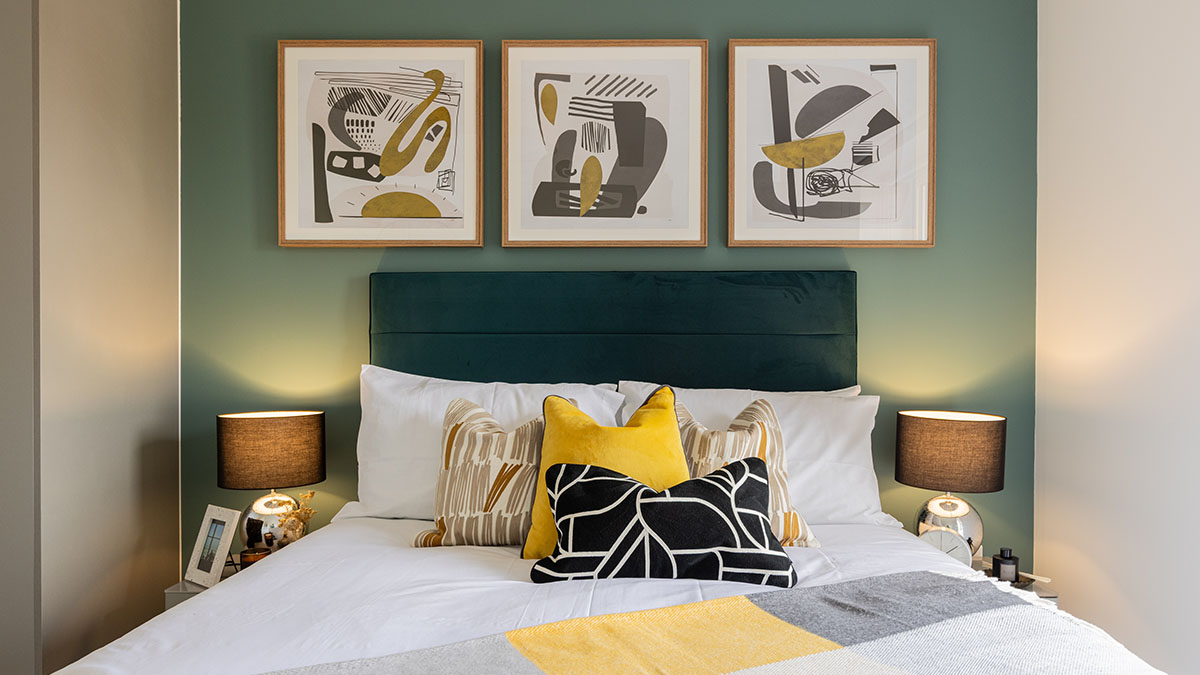
- Select window dressings with the original window proportions.
Contemporary furniture sits well against period features when the specification is calibrated correctly.

Consider Budget, Timeline and Property Use
Listed-building projects carry variables that standard renovations do not. Surveys, professional fees, consent applications, specialist labour and material lead times all add to cost and programme. Build in contingency from the outset, as unexpected repairs are common once investigation begins.

Let the Right People Handle It
For landlords and investors, the quality of furnishing and presentation directly influences rental and sales value. On the other hand, for overseas owners, local coordination is the critical variable. Contractor communication, delivery scheduling and snagging all require a reliable on-the-ground contact.
An experienced refurbishment, furnishing and interiors partner keeps every element coordinated from design through to completion. InStyle Direct manages the process locally, handling furnishing, refurbishment and installation so your project stays on track, and your property is ready for its next stage. Connect with us.