




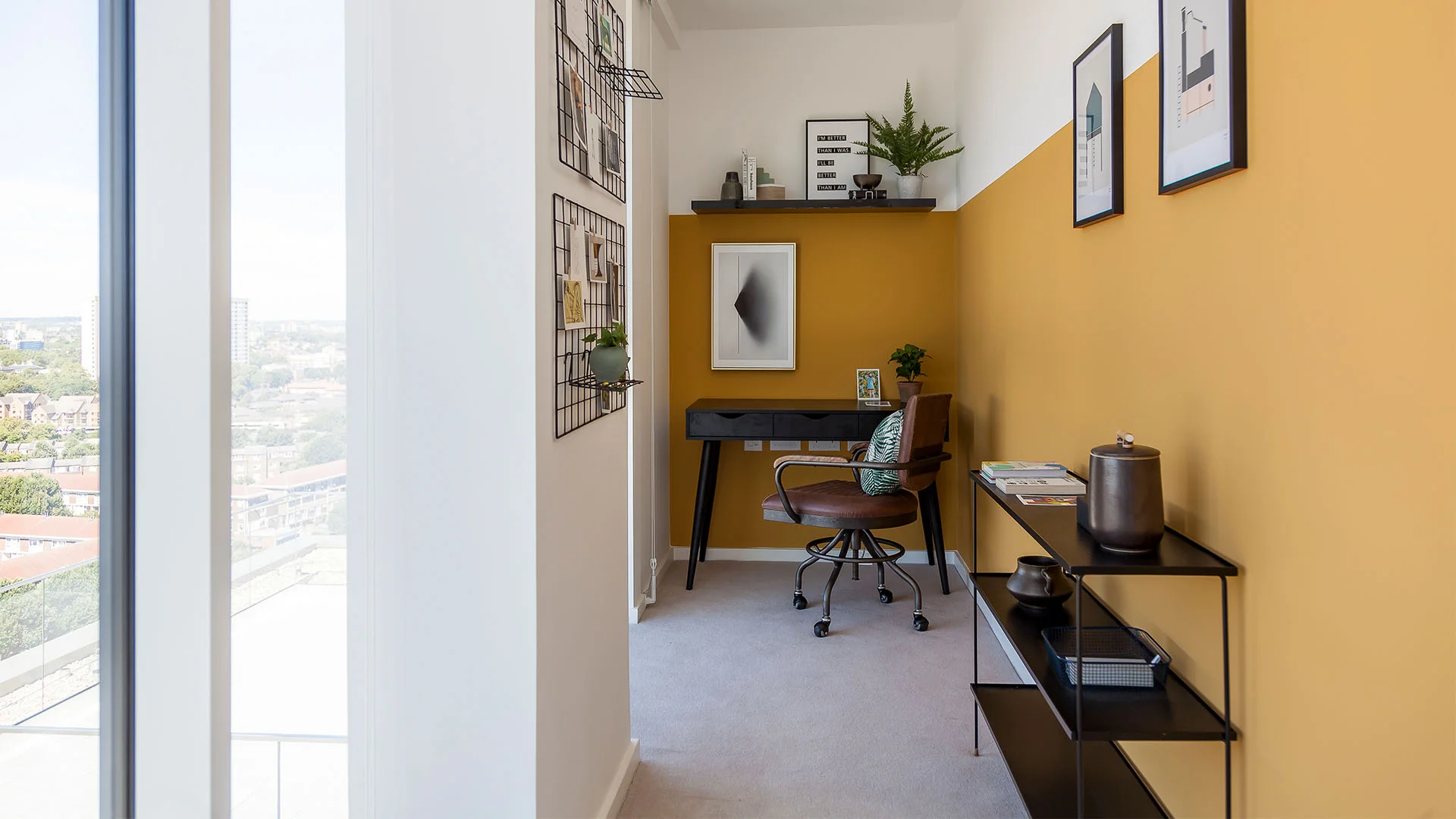
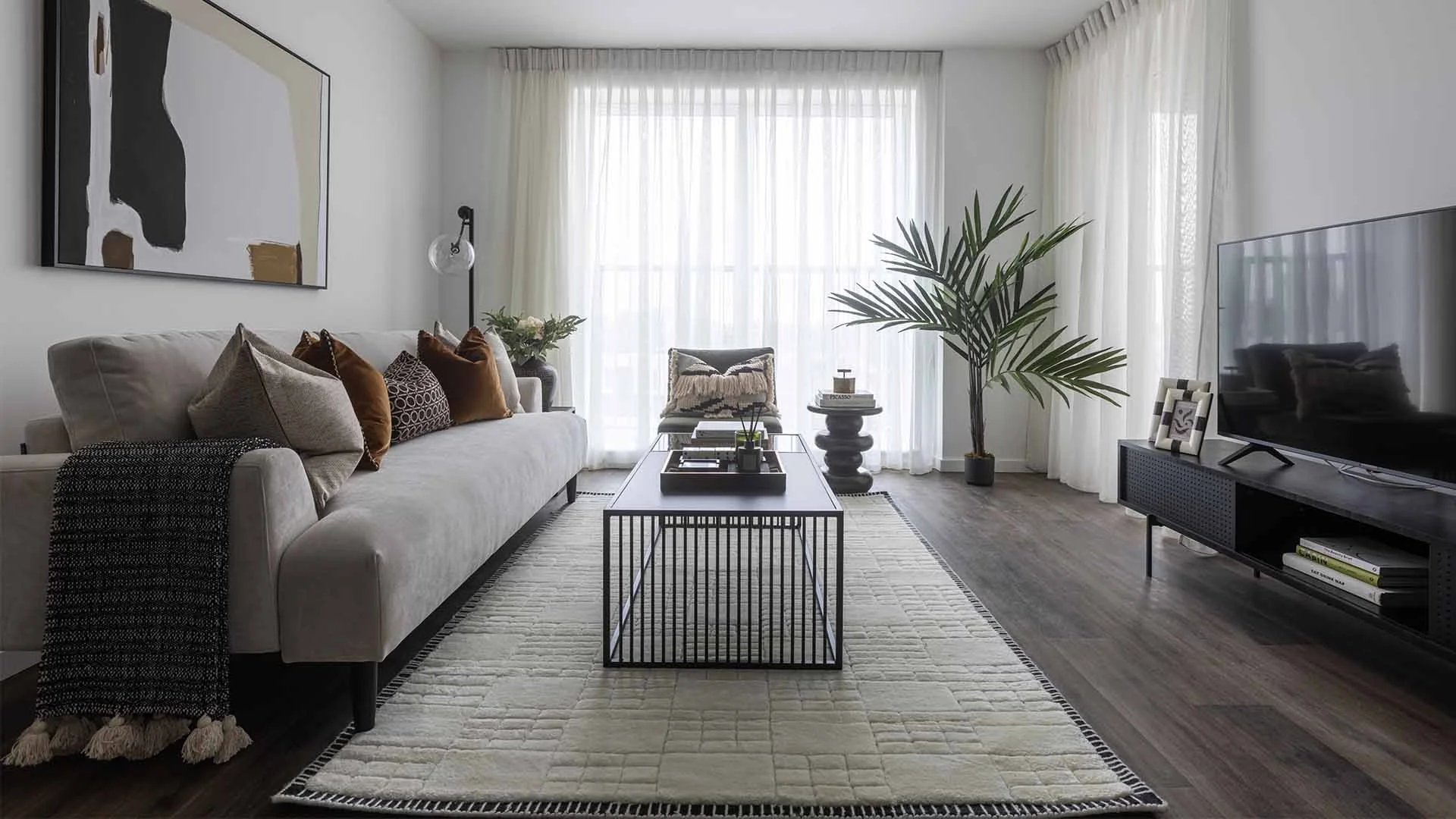
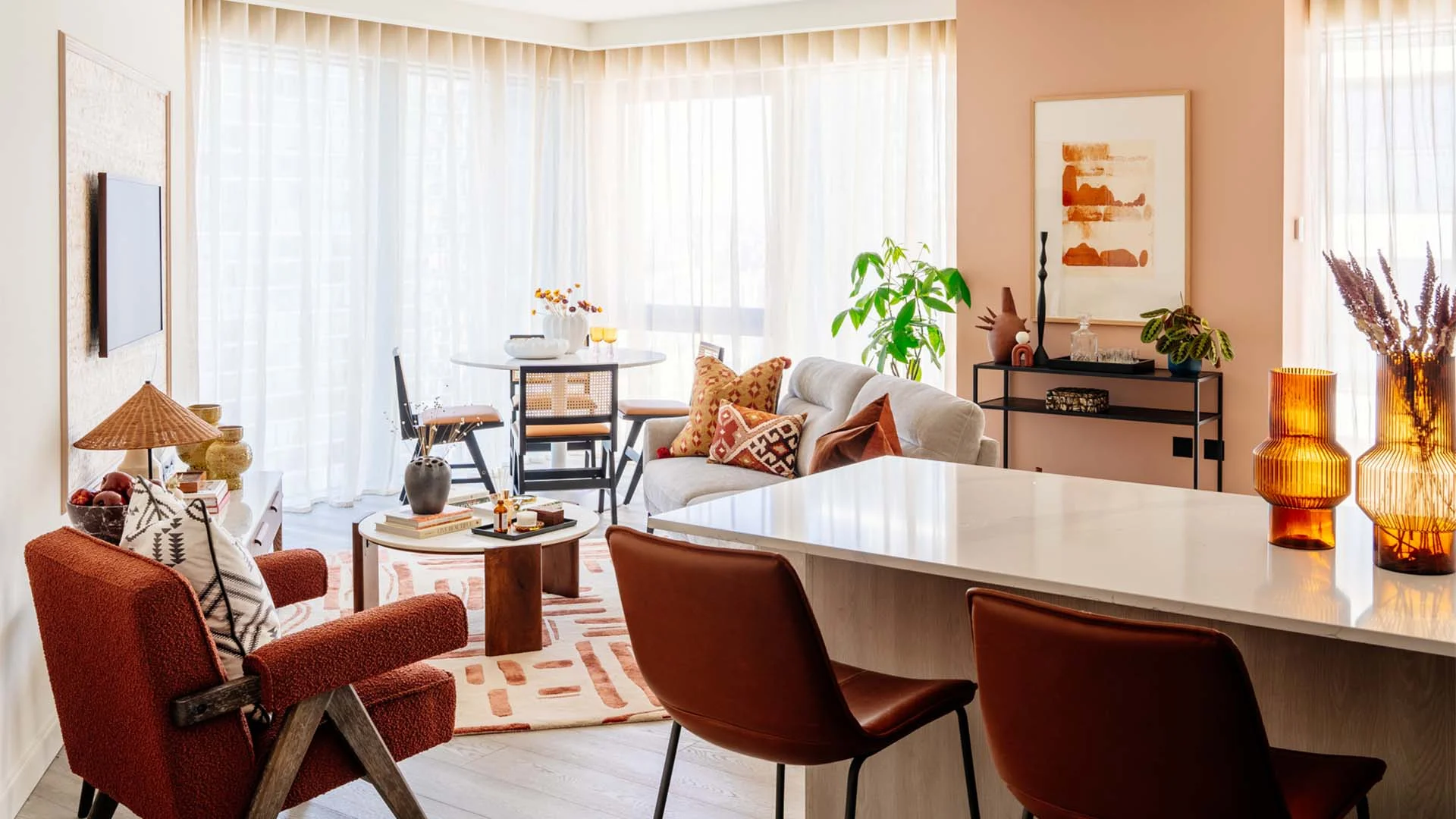
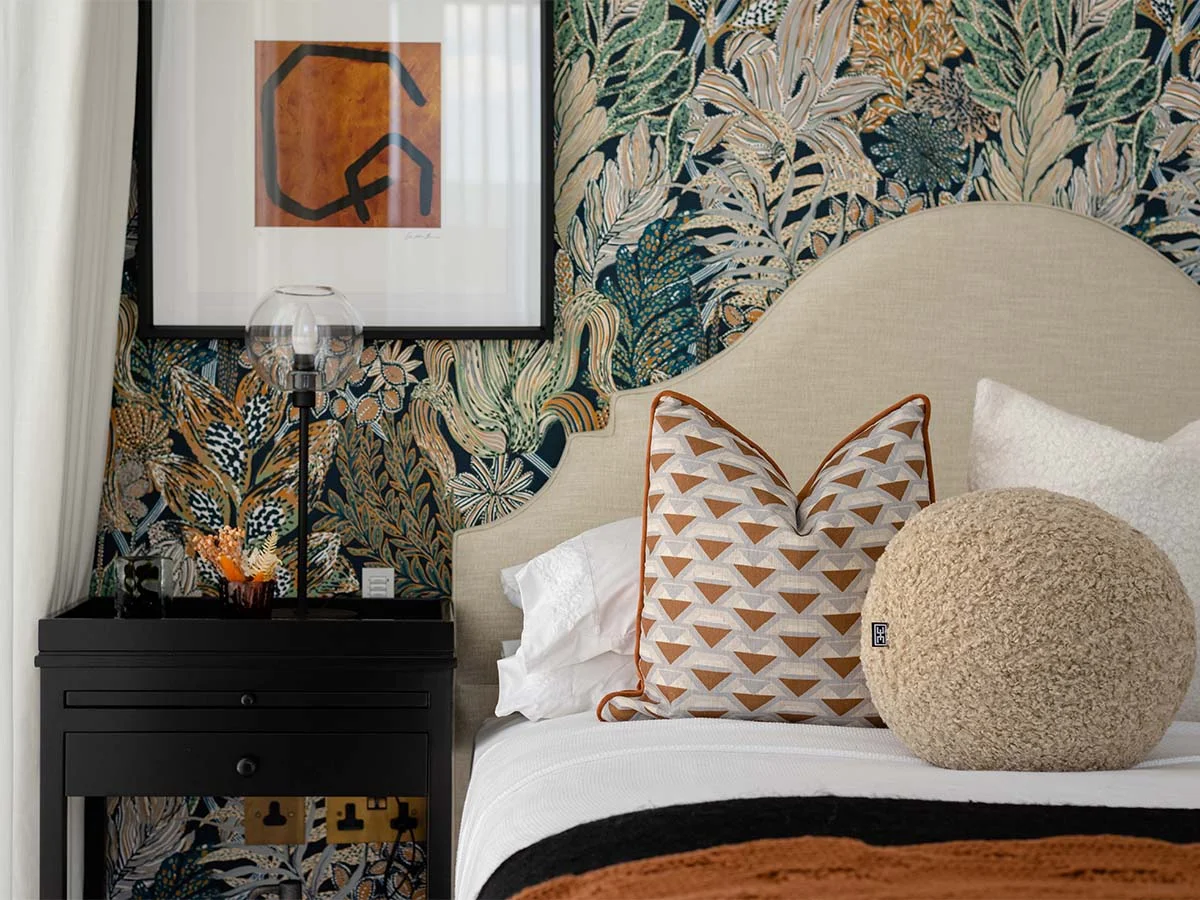
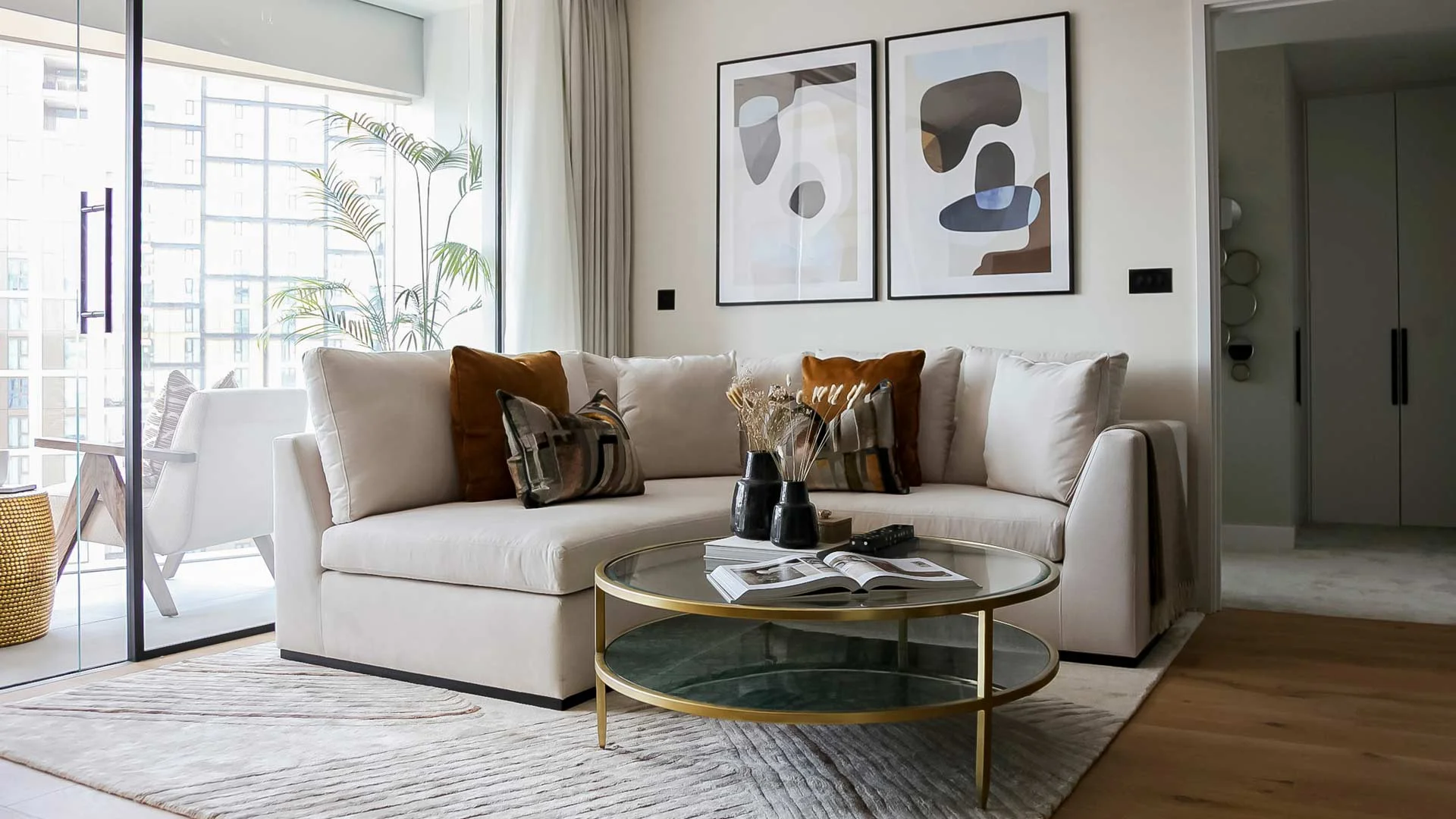
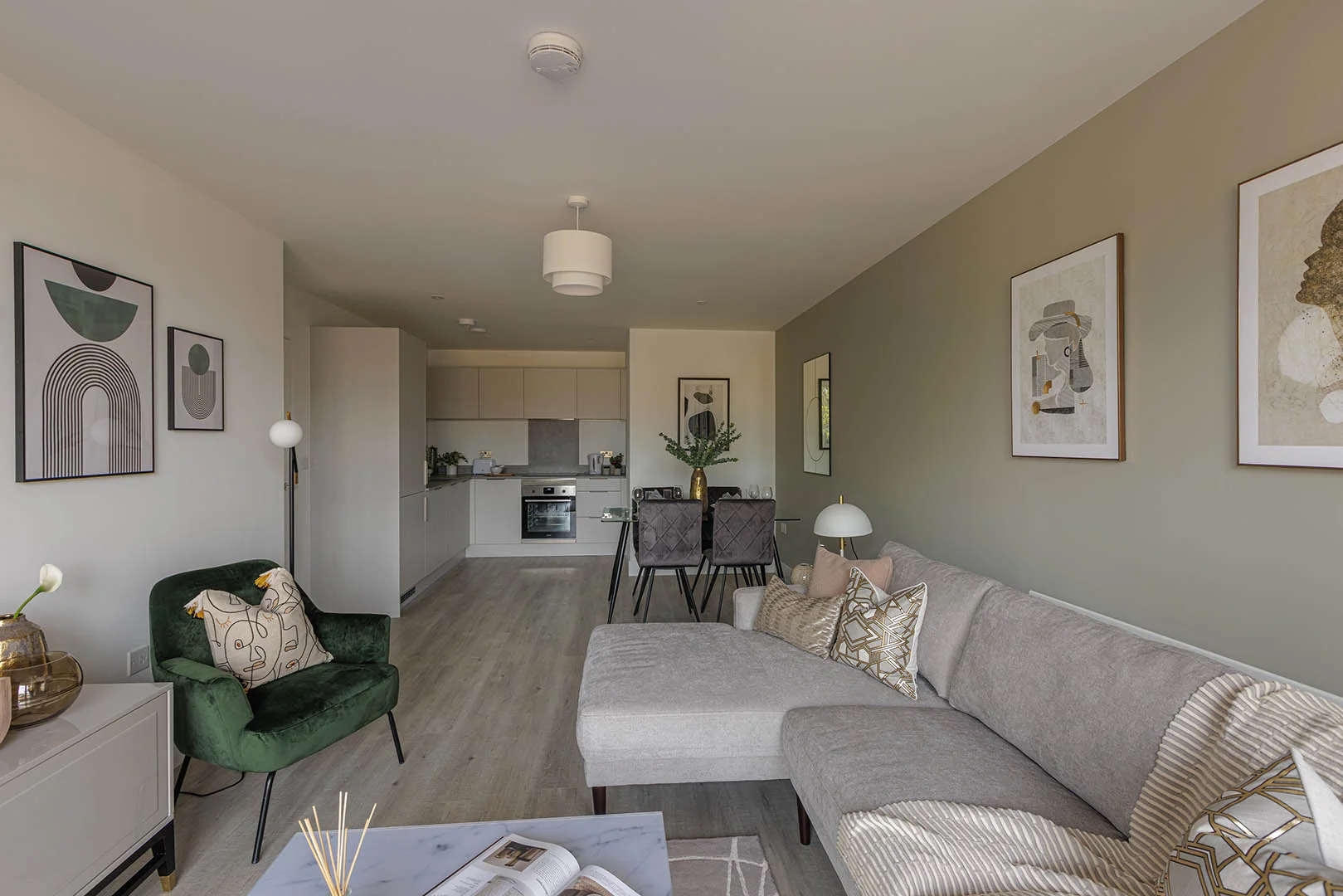
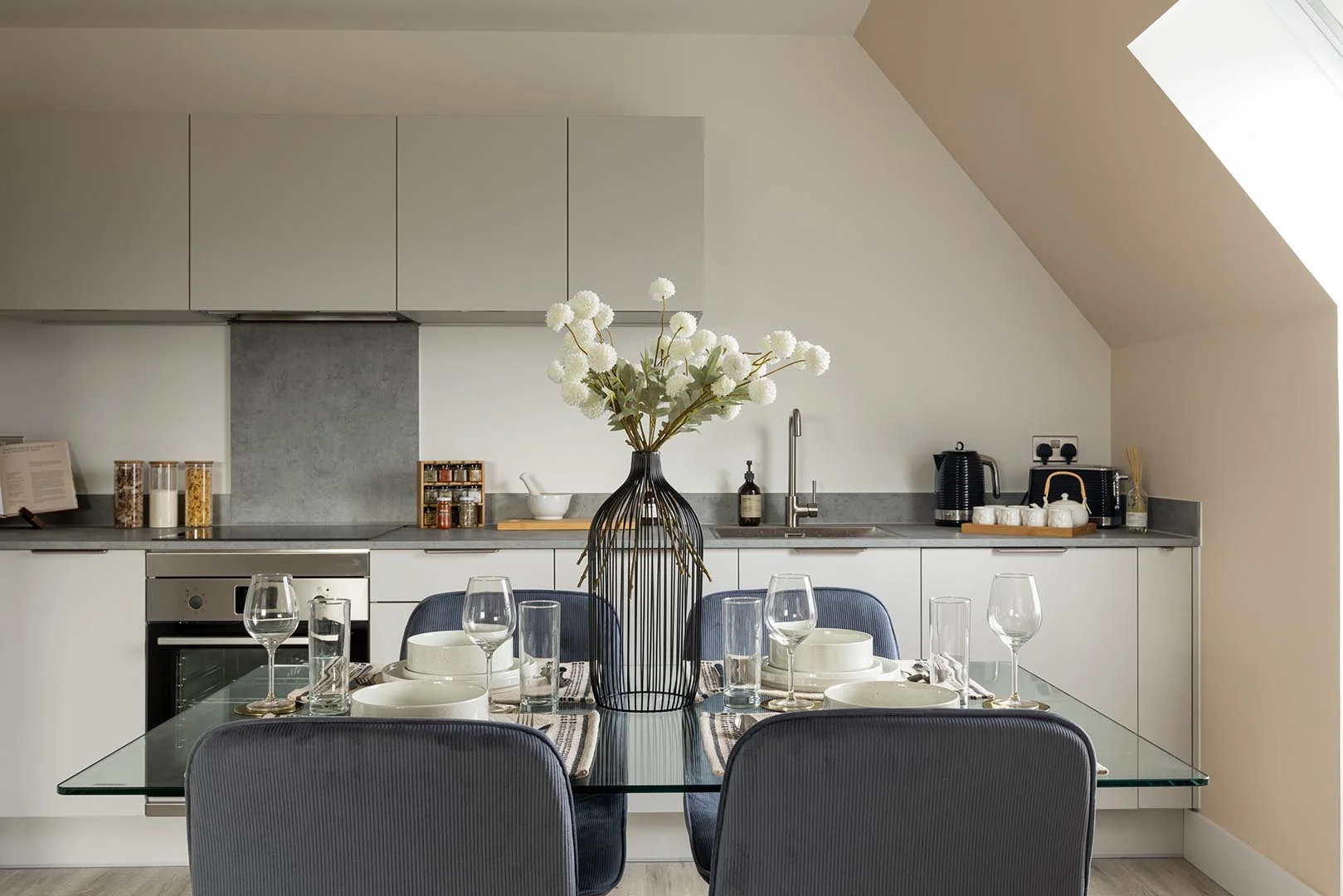
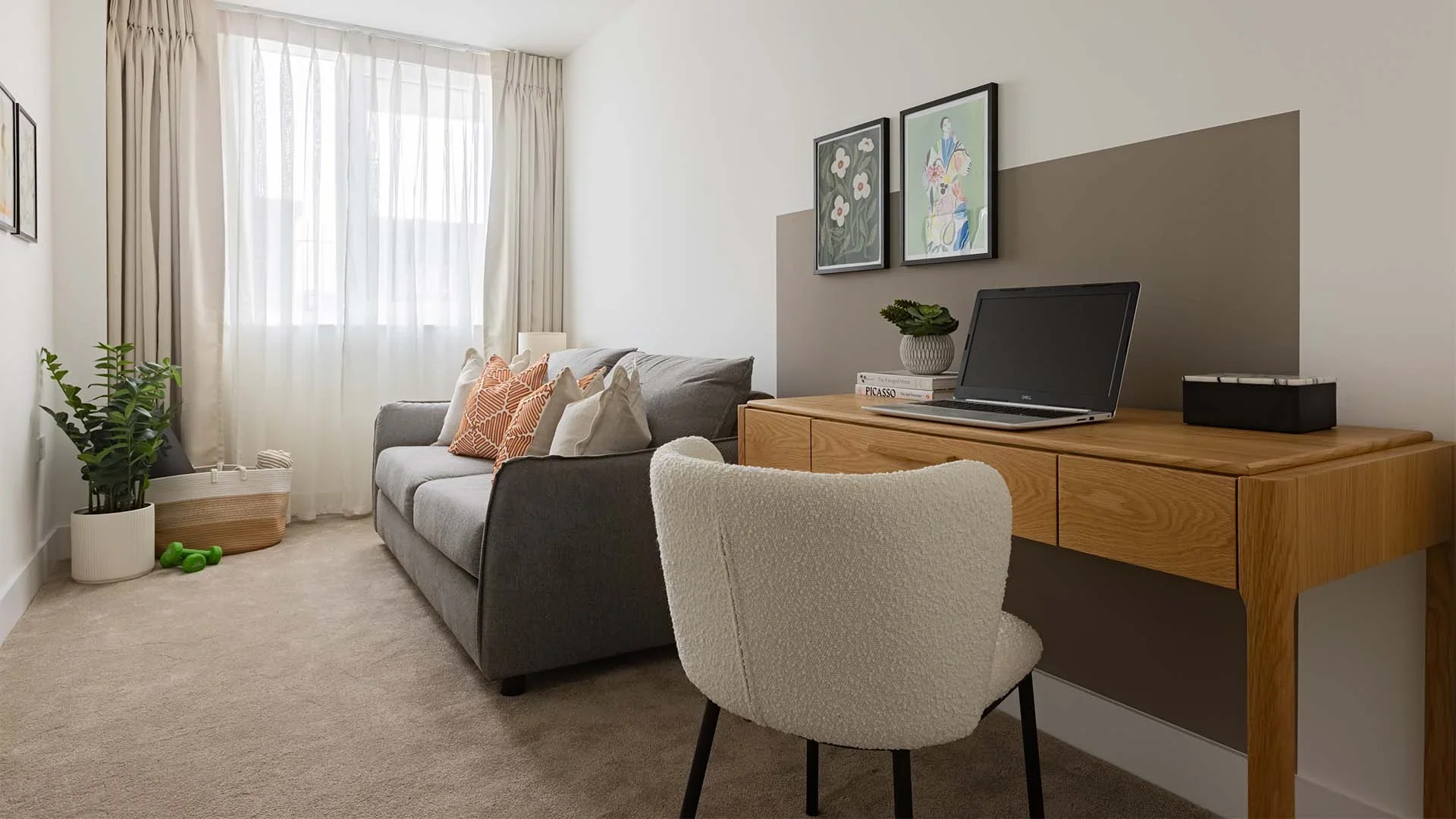
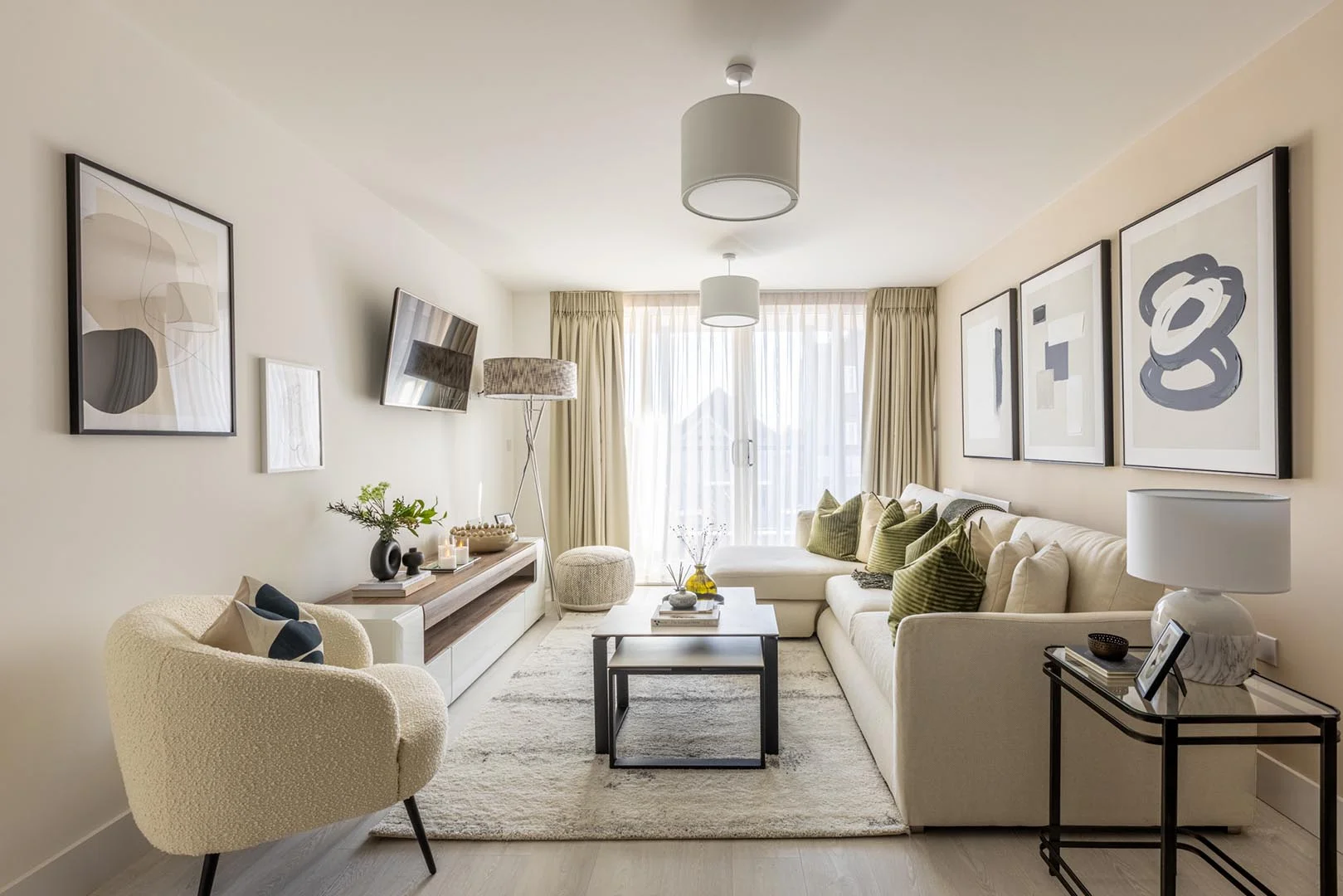
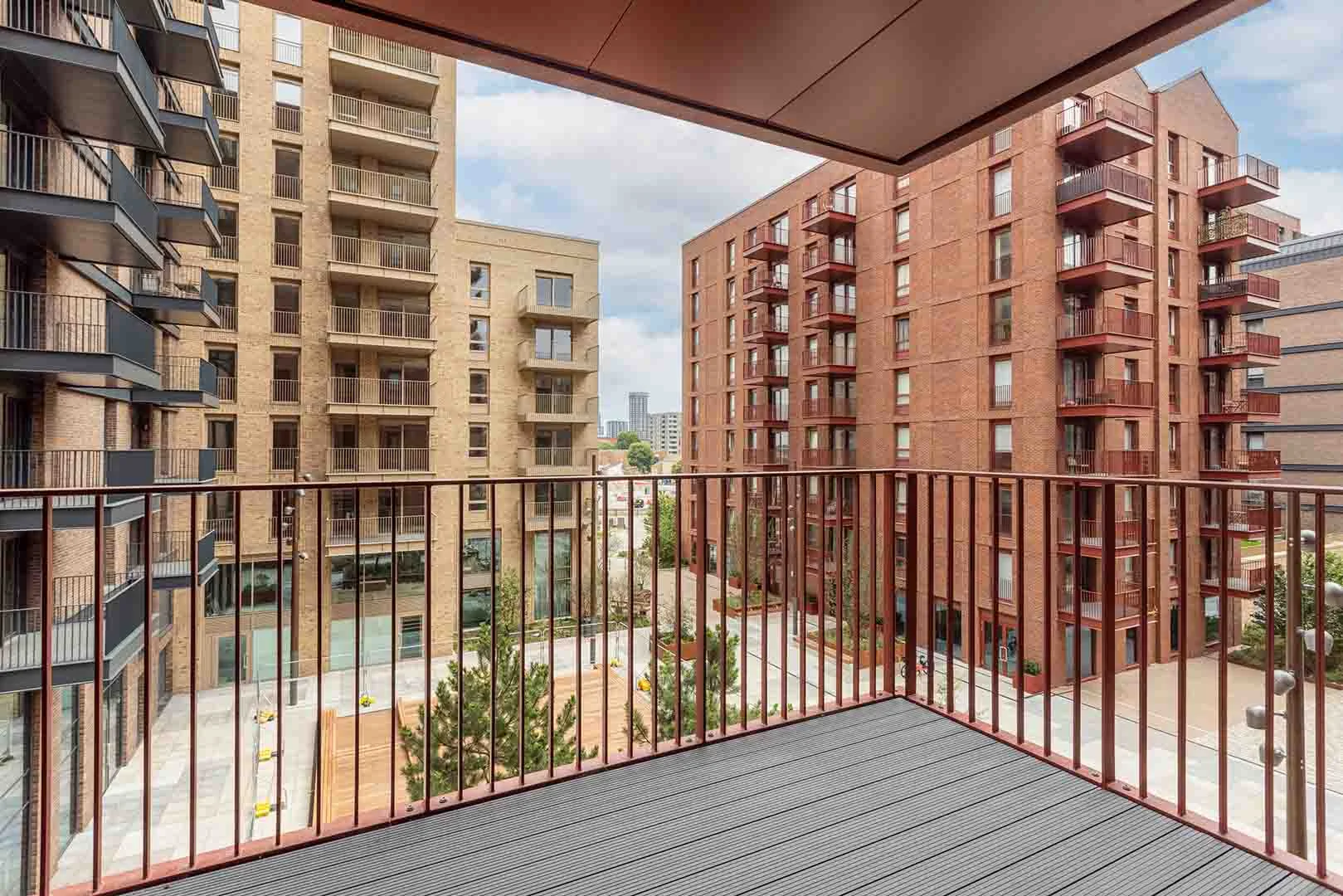
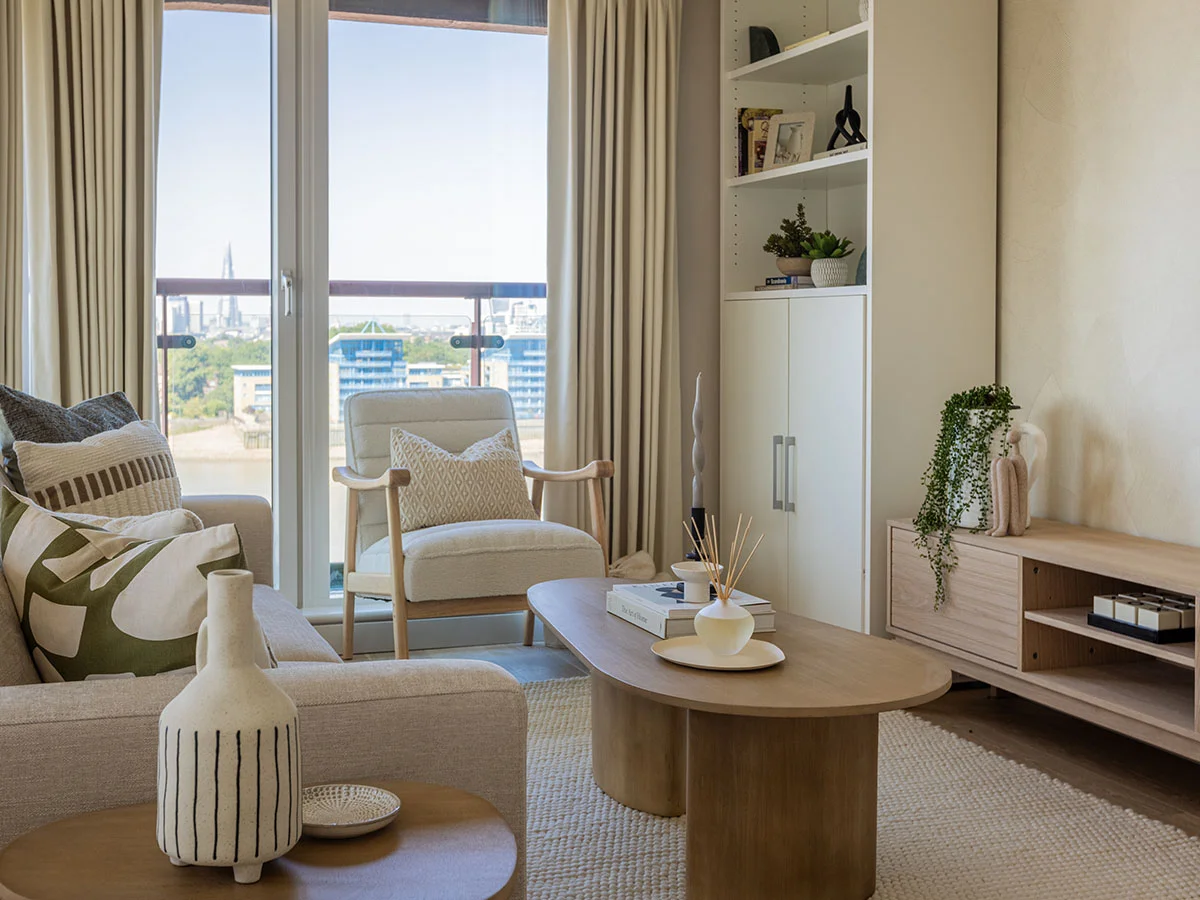
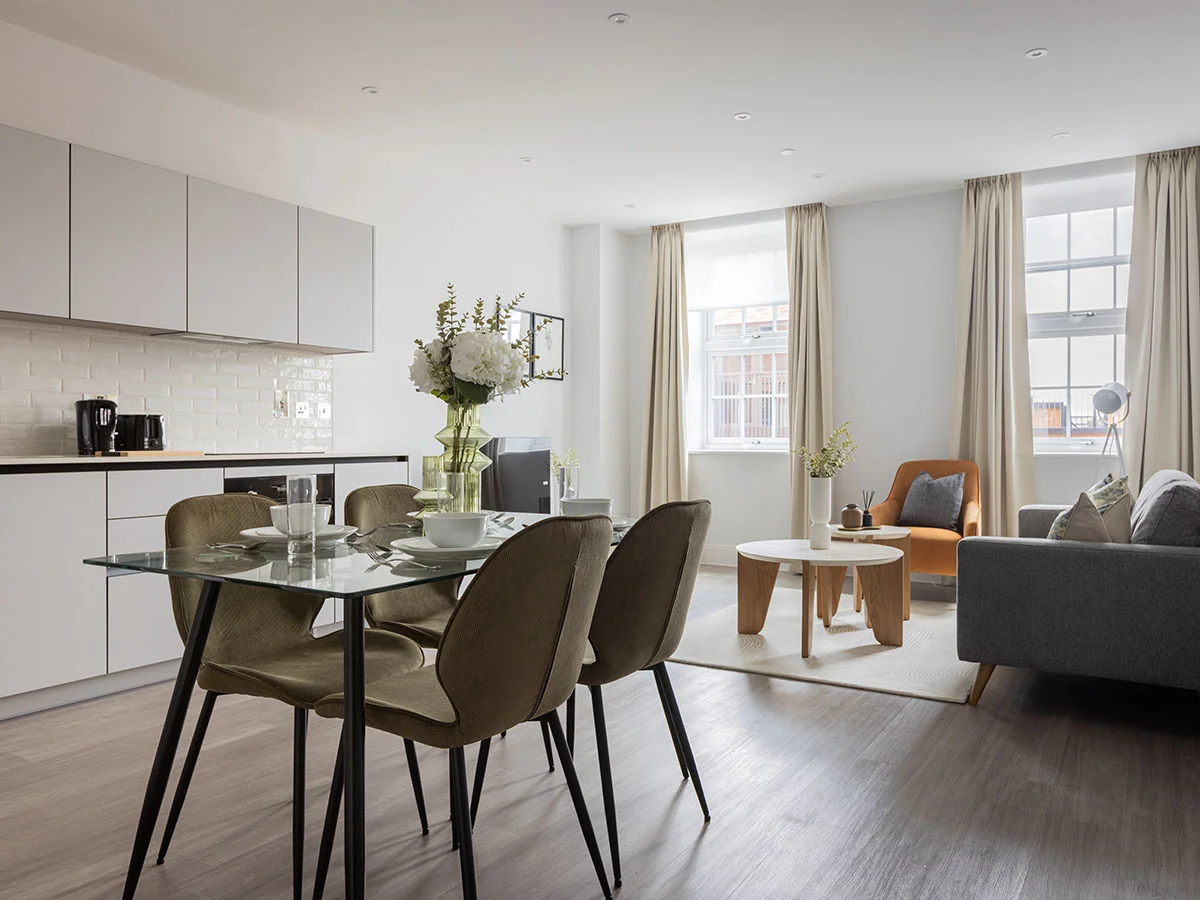
After furnishing more than 50 homes across Berkeley’s West End Gate development, we returned to complete our latest proj...
Watch video
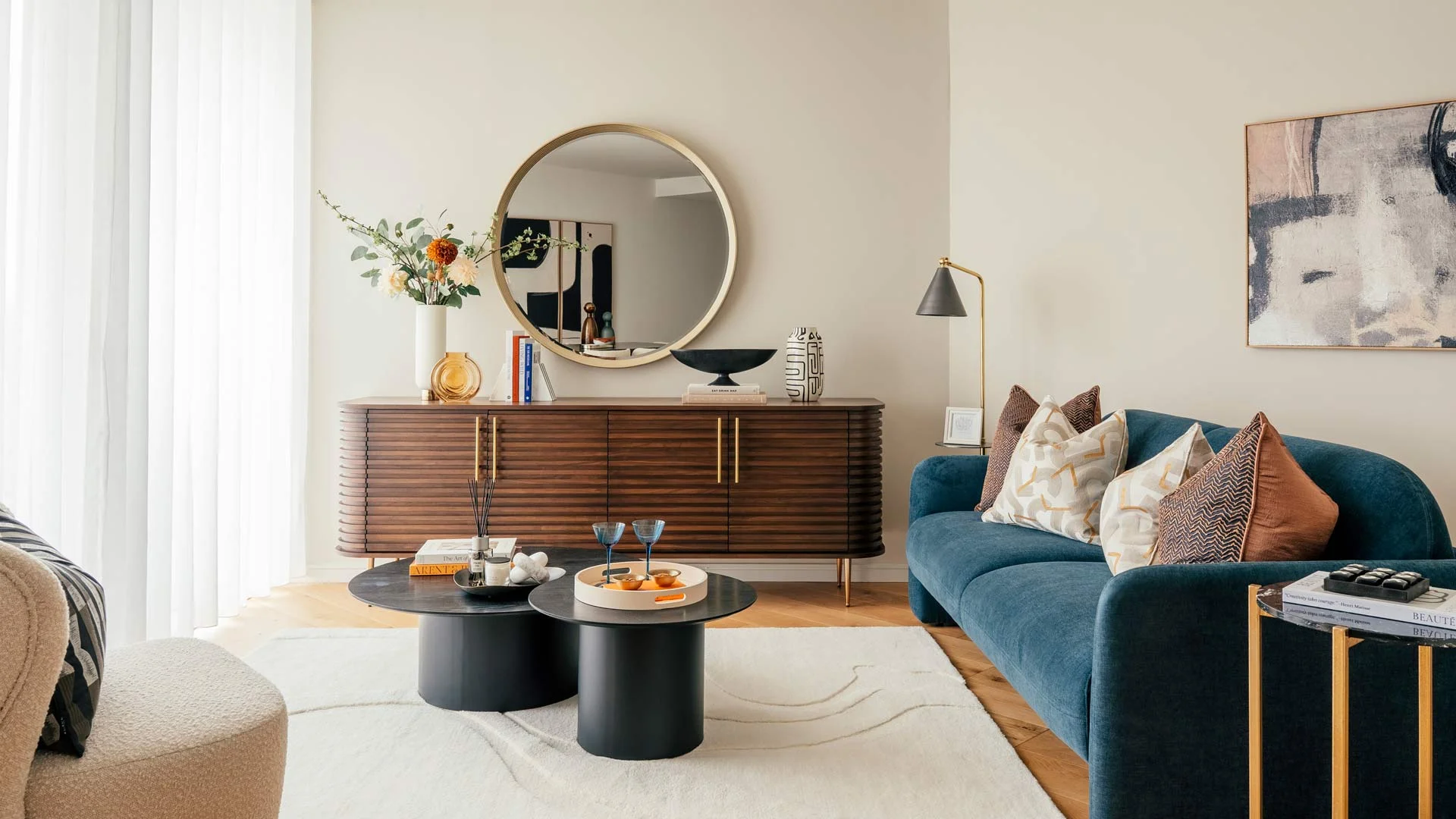
Discover How We Create Fully Furnished Homes in as Little as 24 Hours
Furniture Package
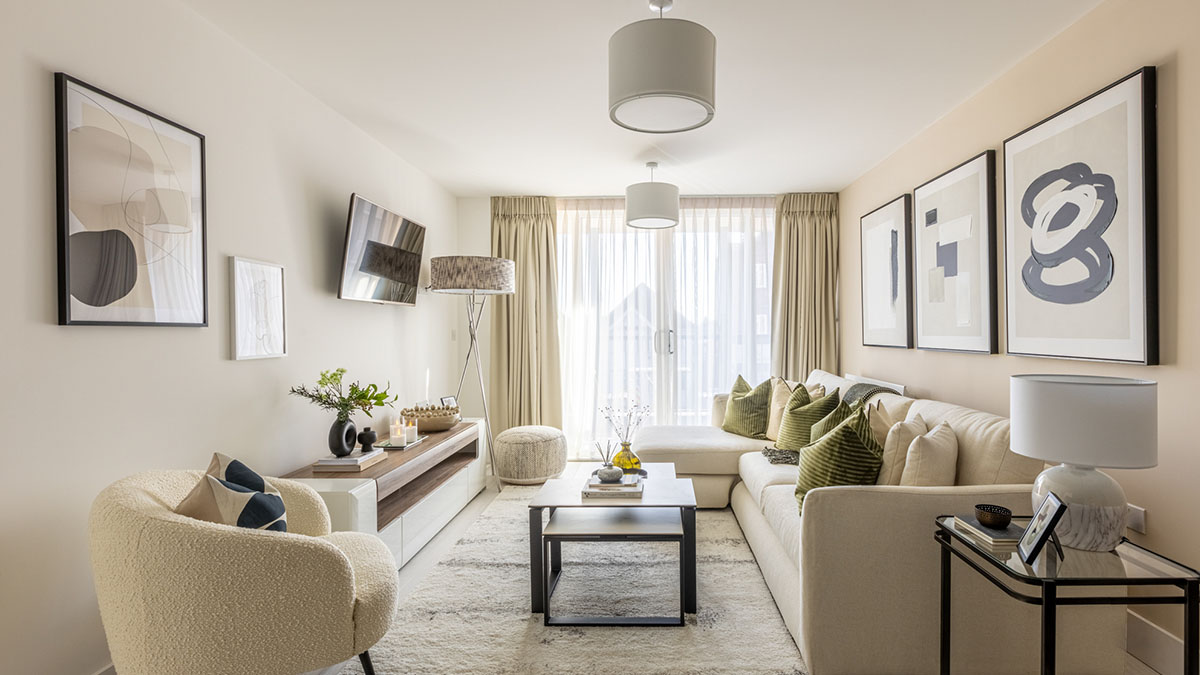
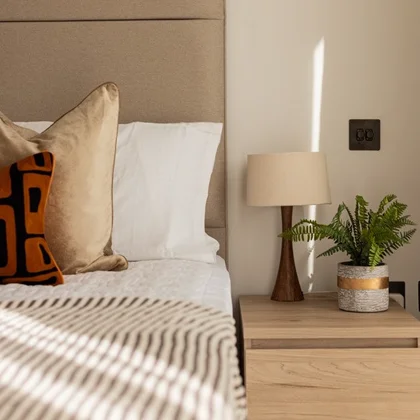
Our high-quality furniture packs offer a turnkey solution for investors and homeowners looking to set up a ready-to-move-in property. From affordable and practical items to the most elegant and tailored requirements, our design-led furniture packs come in a diverse range to suit different lifestyle needs.
Learn More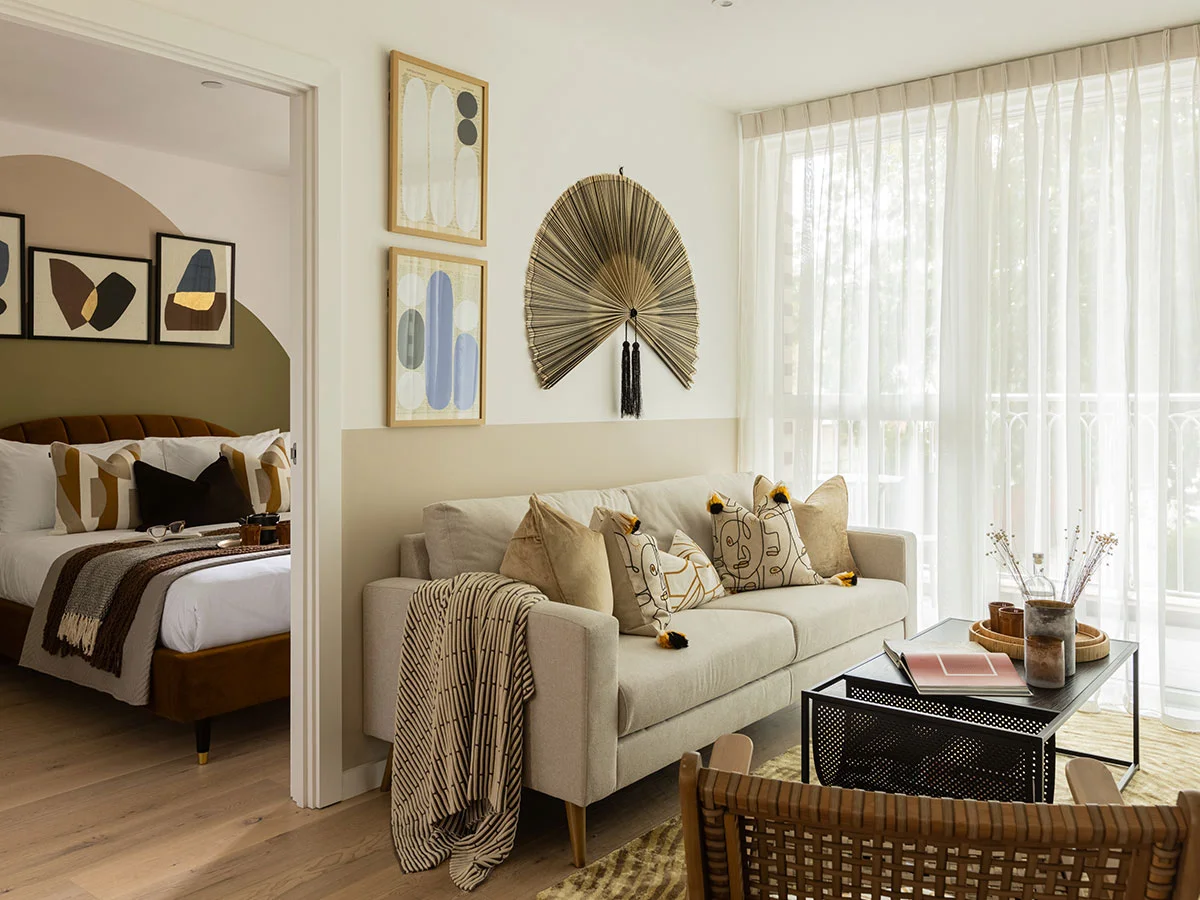
Interior Design
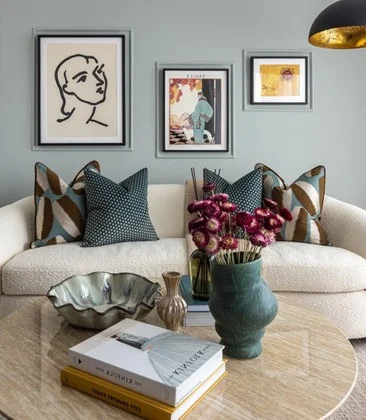
Whether you are a landlord, private homeowner or an estate agent, our modern interior design services offer a range of property transformations. Led by expert designers and skilled professionals. We also create bespoke interiors to create elegant and functional spaces unique to a property's layout, orientations and dimensions.
Learn More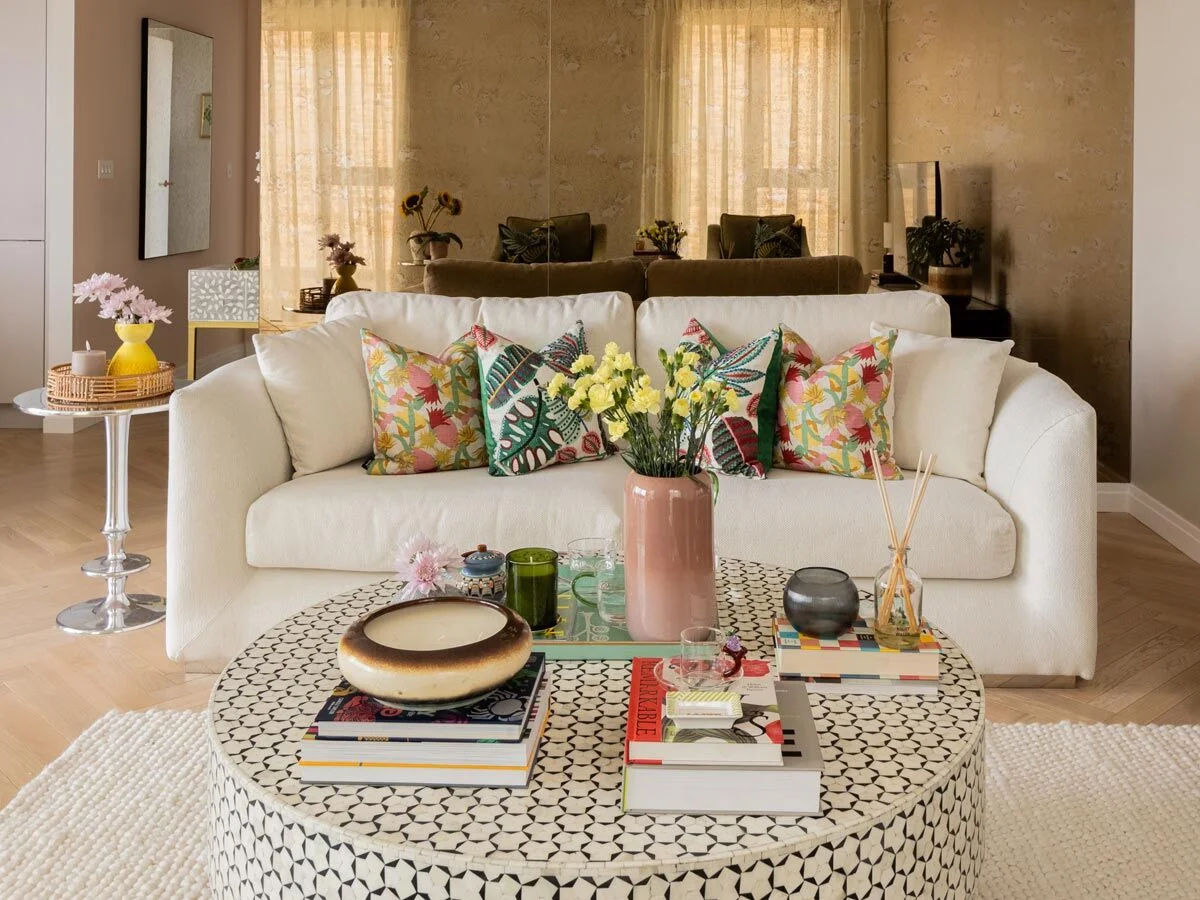
Refurbishment
Many landlords and homeowners have benefited greatly from our refurbishment services that help elevate London residences' aesthetic and utility value. From simple design makeovers to intricate structural and layout changes, our team of in-house experts and renovation specialists ensure you achieve the desired results.
Learn More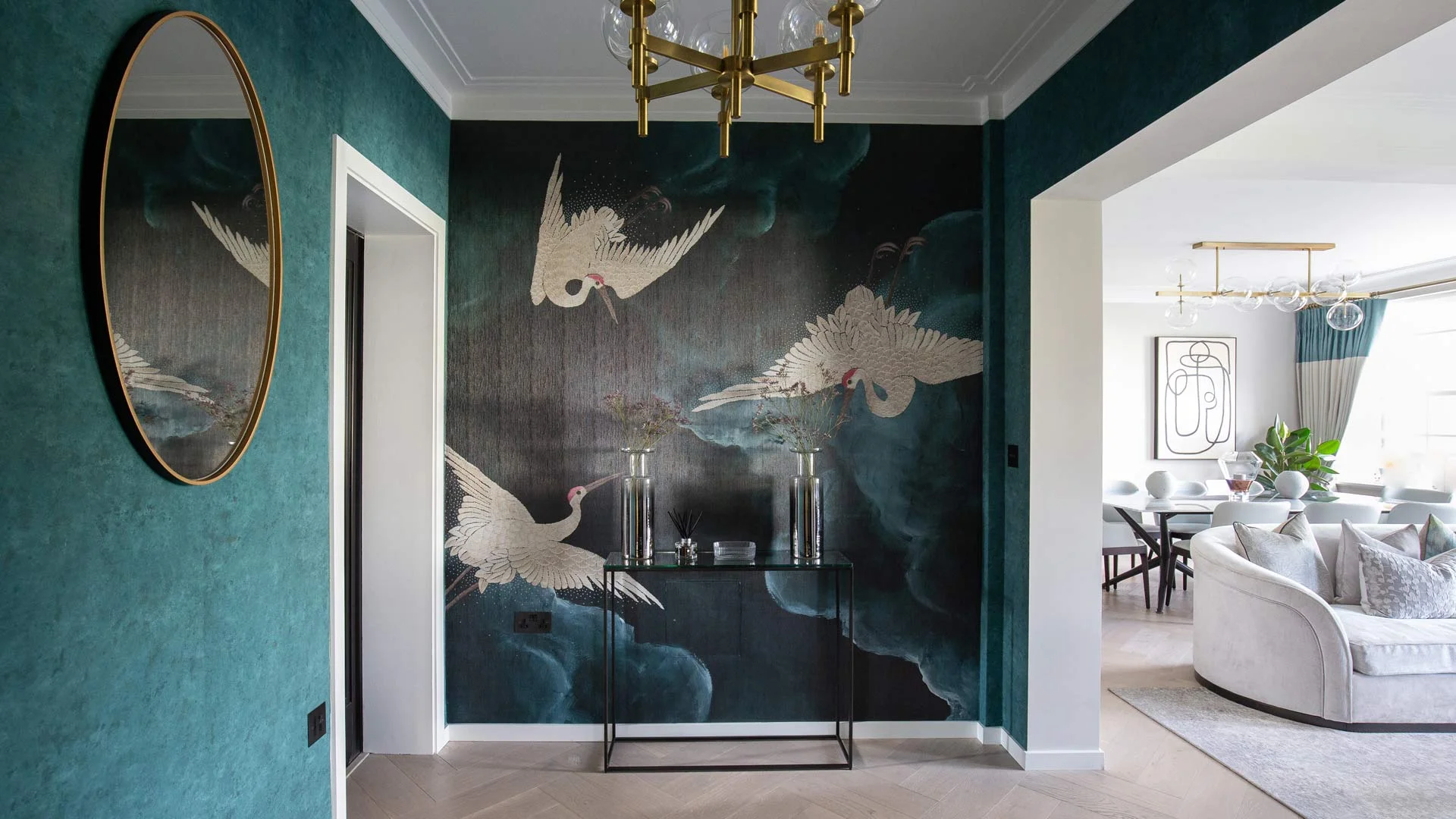
BTR Furnishing Solutions
With dedicated furniture packs and interior solutions for London's growing BTR sector, we have delivered timely results for thousands of properties. Our team of experienced project managers can successfully coordinate the furnishing and interiors of multiple units at a time for larger projects that need quick turnaround within tight deadlines.
Learn More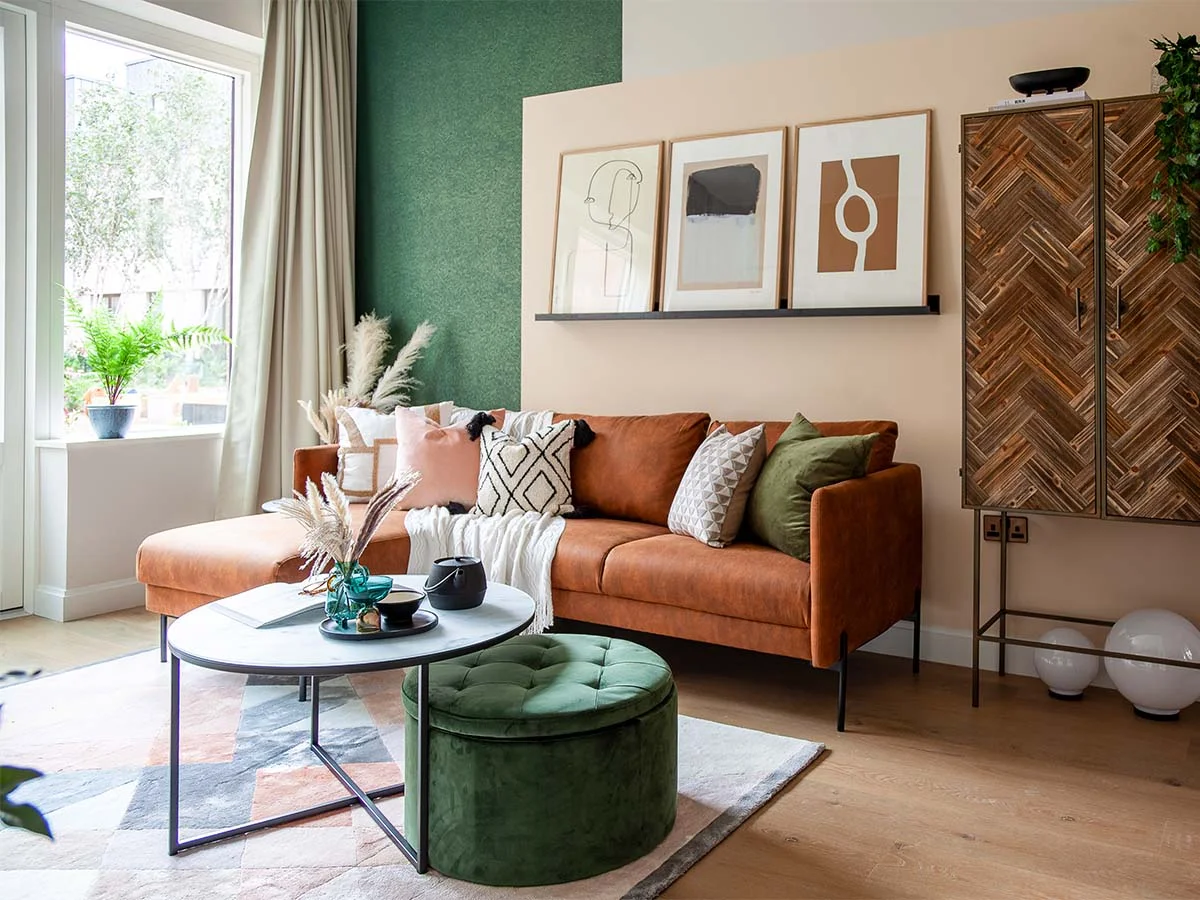
Window Dressings
From custom-made curtains and blinds to high-end fabrics, the right window treatment can amplify the overall appeal of a home and make it a lot more desirable for living. With an in-house factory to produce bespoke items for all types of properties, our window dressing solutions have helped a wide range of clients achieve quick results.
Learn More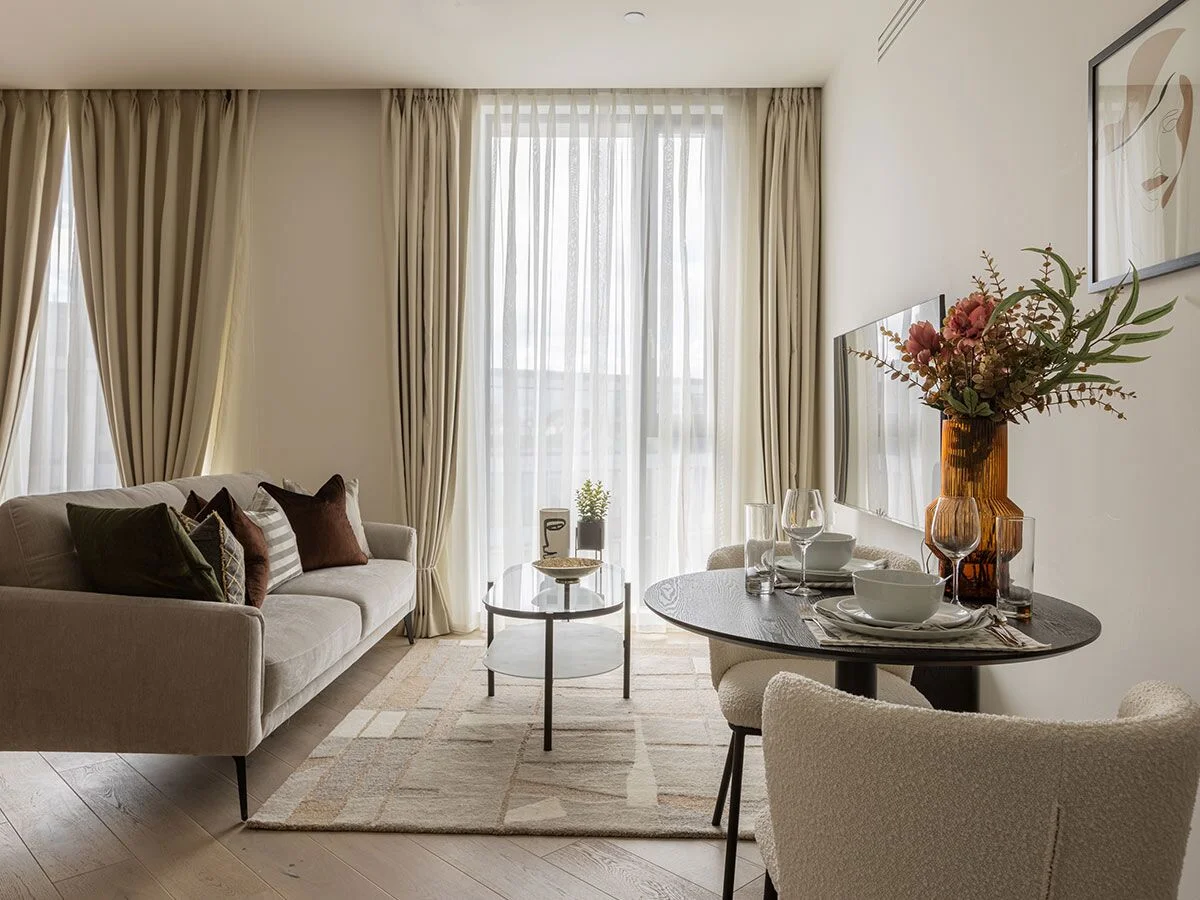
Professional staging for developers
In London's competitive property market, developers get only a few minutes to impress and impact prospective buyers' decisions. Our in-house furniture and design experts have worked with some of the UK's top developers to create stunning, professionally staged show homes that sell fast.
Learn More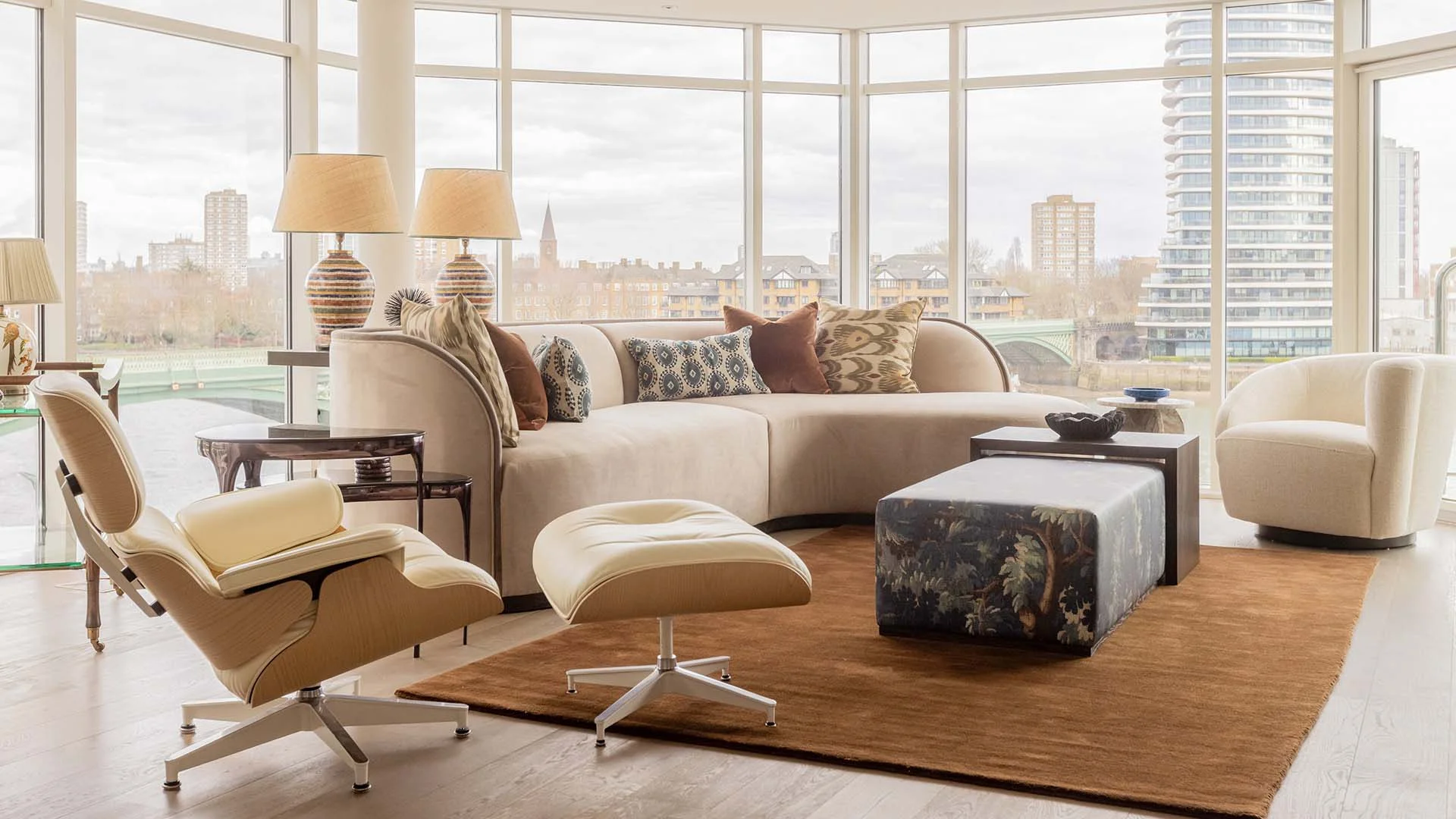
Sector Overview
With a tailored furnishing approach for different client-based needs, we work with London's leading developers, overseas investors and private homeowners to create stunning interiors that match diverse lifestyle needs.
Property Walkthrough
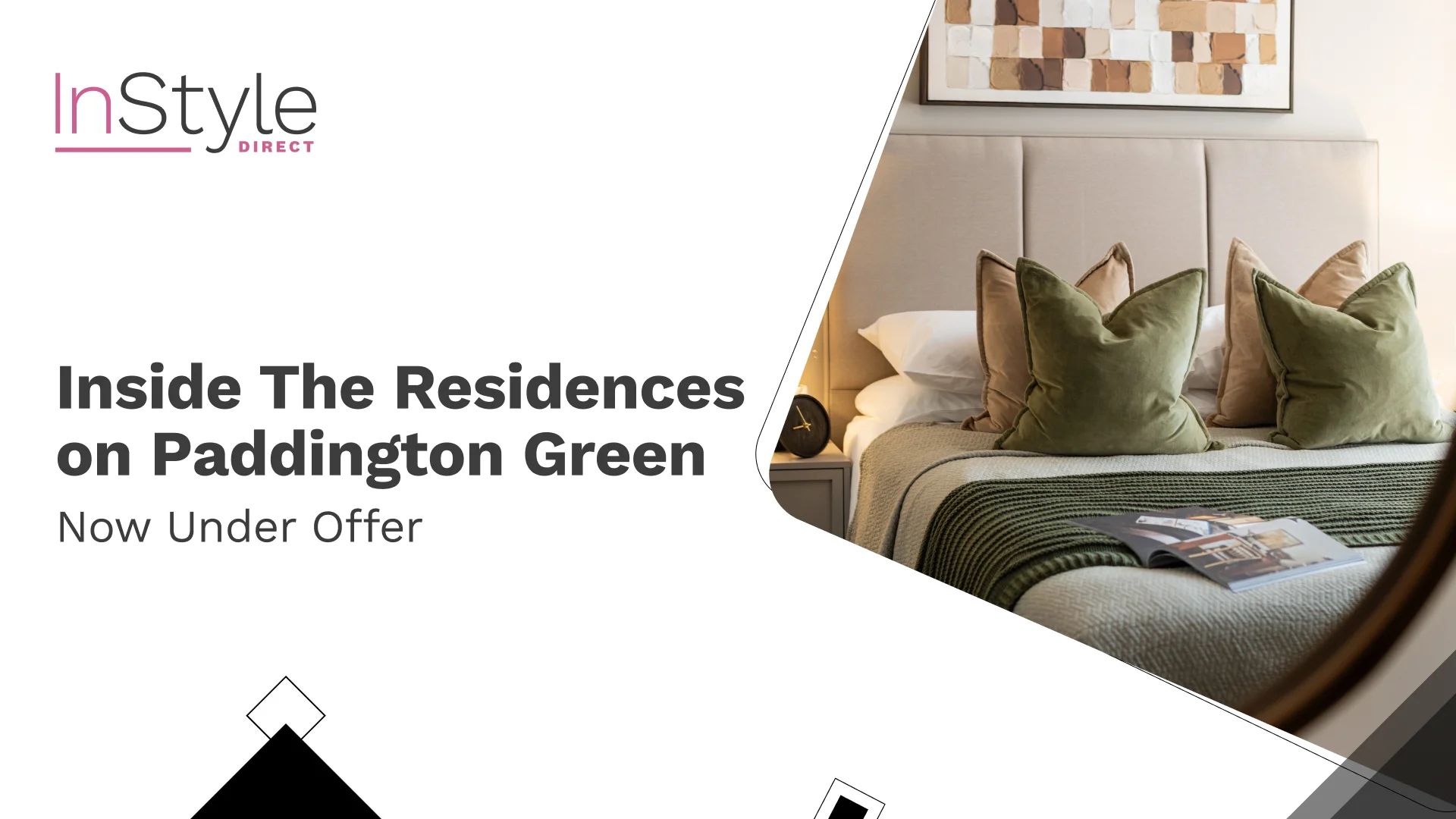
Property Walkthrough
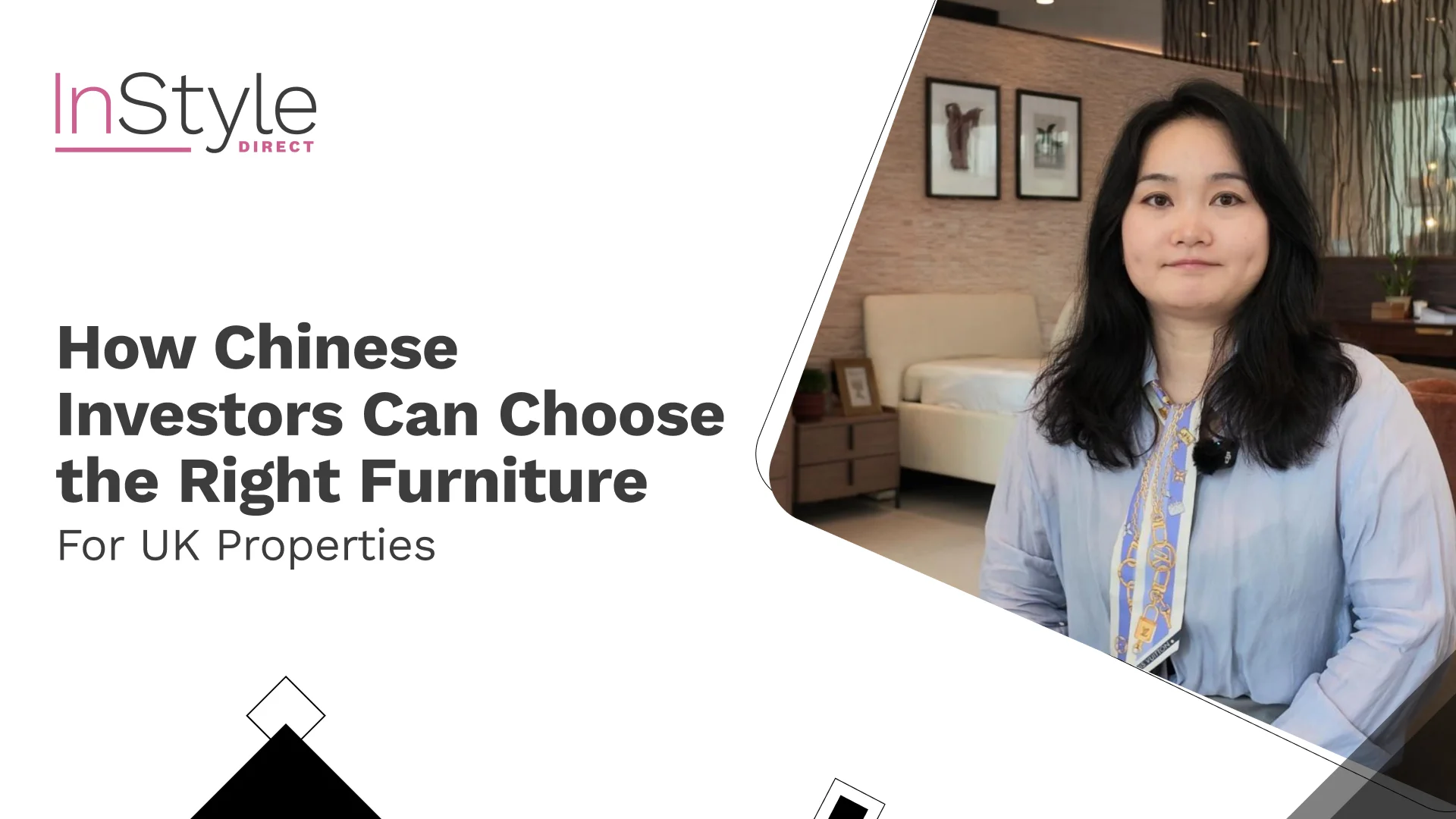
In this video, Lily shares practical advice for Chinese investors looking to furnish a UK property. She explains how fur...
Watch video
Property Walkthrough
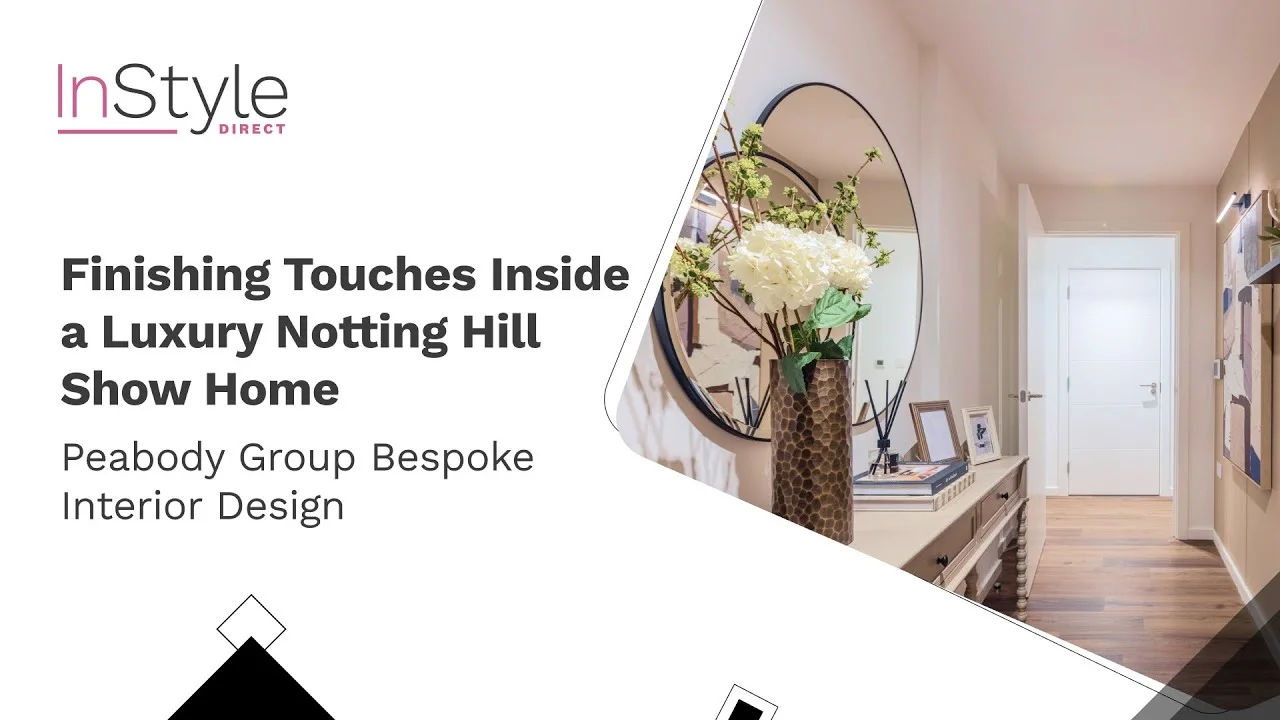
Join Emma, our lead interior designer, as she adds the final, carefully considered touches to this luxury Notting Hill s...
Watch video
Committed to Sustainability
Conserving our planet's finite resources by recycling used furniture products and reducing carbon footprint across our supply chain and all business activity is a commitment we take seriously at InStyle Direct.
Learn More
Featured Success Stories
Blogs
Furnishing Packages
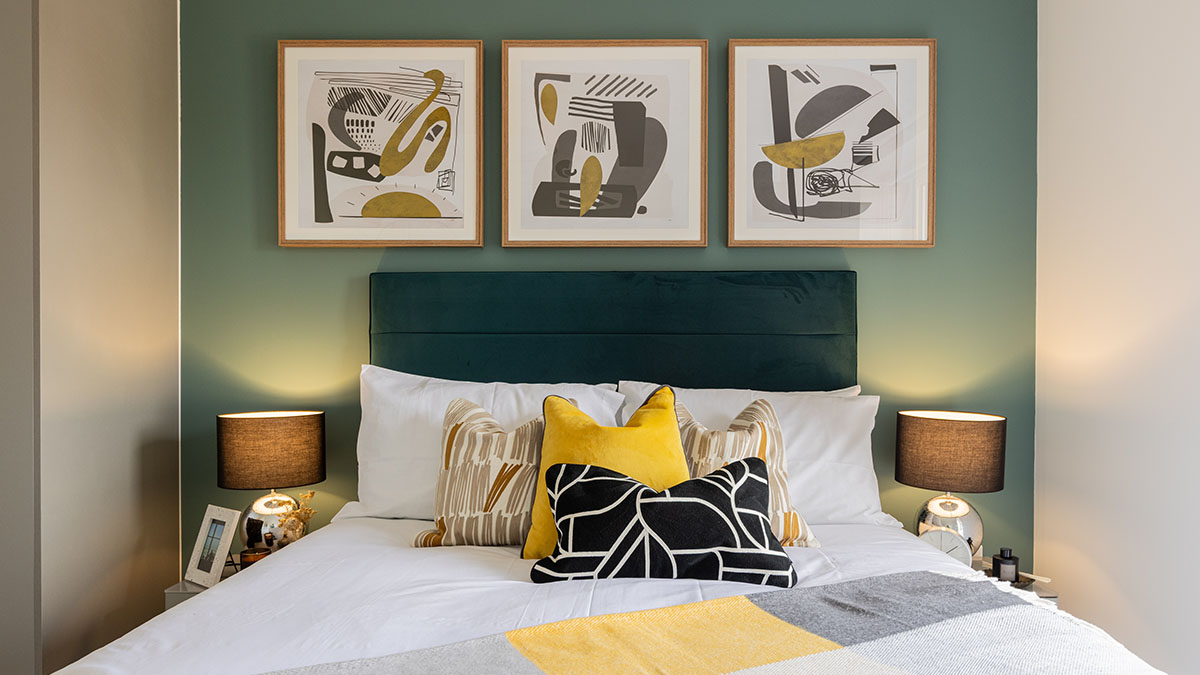
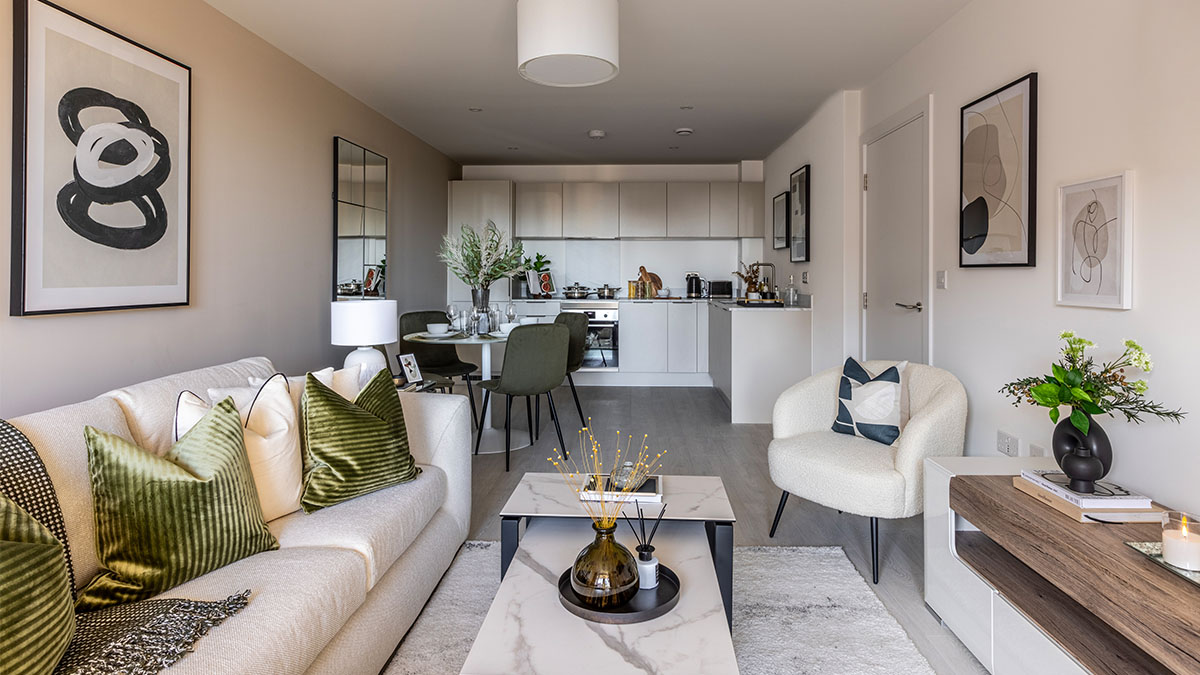
Why Do Some London-Furnished Rentals Earn 15% More, and Others Far Less?
Key Takeaways: Furnished London rentals achieve a 10% to 15% rental premium over unfurnished homes in central, expat-dense postcodes, while well-presented pr...
Resource Hub



Why Choose Us
-

Affordable furniture packs
Starting at just £3,395 + VAT, our design-led furniture packs come in a range of styles and are highly durable
-

Free and fast delivery
Our in-house fleet ensures quick and efficient delivery of all furniture items at no additional cost
-

85% Properties let within 1 week
Our seamless furnishing and design process ensures rental properties deliver quick results
-

20+ Years of experience
As a family-run business since 2004, we have helped thousands of clients meet their investment goals
-

Professional, hassle-free solutions
Minimise void periods and maximise returns by working with our experienced and skilled staff
-

Less than 1% returns
Clients love our high-quality furniture packs that have a record of less than 1% returns in the first year
-

Completion in 24 to 48 hours*
Our record of complete furniture installation in a day or two ensures properties are move-in ready
*Based on stock availability
-

Trusted by overseas clients
More than 75% of our clients are overseas landlords and homeowners looking for remote solutions
Leading property developers value our creativity and vision. Our boutique approach gives show homes an impact that speaks of prestige without the price tag.









What Our Customers Say
“I used InStyle Direct to furnish our rental apartment in London. I found them to be extremely professional and competent. The whole process ran very smoothly. I am very happy with the result and we managed to let the apartment in a very short time. All the people from Instyle that I had dealings with were very capable and worth mentioning. Thanks to James, Anna, Amit and their respective teams. I highly recommend Instyle”
–Tracy Marks, Overseas AirBnB Host
“I had a fantastic experience with the InStyle Direct team. From my consultation with Amar to the design team with Lidwina, everything was hassle-free, focused on my needs and executed in a timely fashion. I am really happy I chose to work with InStyle Direct, given my hectic schedule. Thank you very much for the excellent service, Team InStyle Direct!”
–AirBnB Host
“If a swift let is desired, the furniture package from InStyle Direct is the way to go.”
–Real Estate Agency
Our Brochures
Core Brochure
Core Brochure
DOWNLOAD BROCHURE
Guide for Developers
Guide for Developers
DOWNLOAD BROCHURE
Furniture Packages
Furniture Packages
DOWNLOAD BROCHURE
Ani M Interiors
Ani M Interiors
DOWNLOAD BROCHURE
Dressed for Success
Dressed for Success
DOWNLOAD BROCHURE