




Key Takeaways:
-
- Q3 and Q4 fashion and interiors share one direction: sensory richness over cold minimalism.
- Texture is replacing colour as the primary design tool.
- Light-responsive finishes (chrome, satin, polished stone) are preferred for uplifting perceived value without structural cost.
- Statement furniture pieces are doing the heavy lifting, meaning fewer items for bigger impact.
- Mid-century references work when applied through form and not colour palette.
- Layering becomes key. People now prefer tactile, space-efficient & performance-led spaces; critical for BTR and city apartments.
- For UK property professionals, these are not styling preferences. They are value drivers.
The runway does not design homes. But it reads the room before anyone else does.
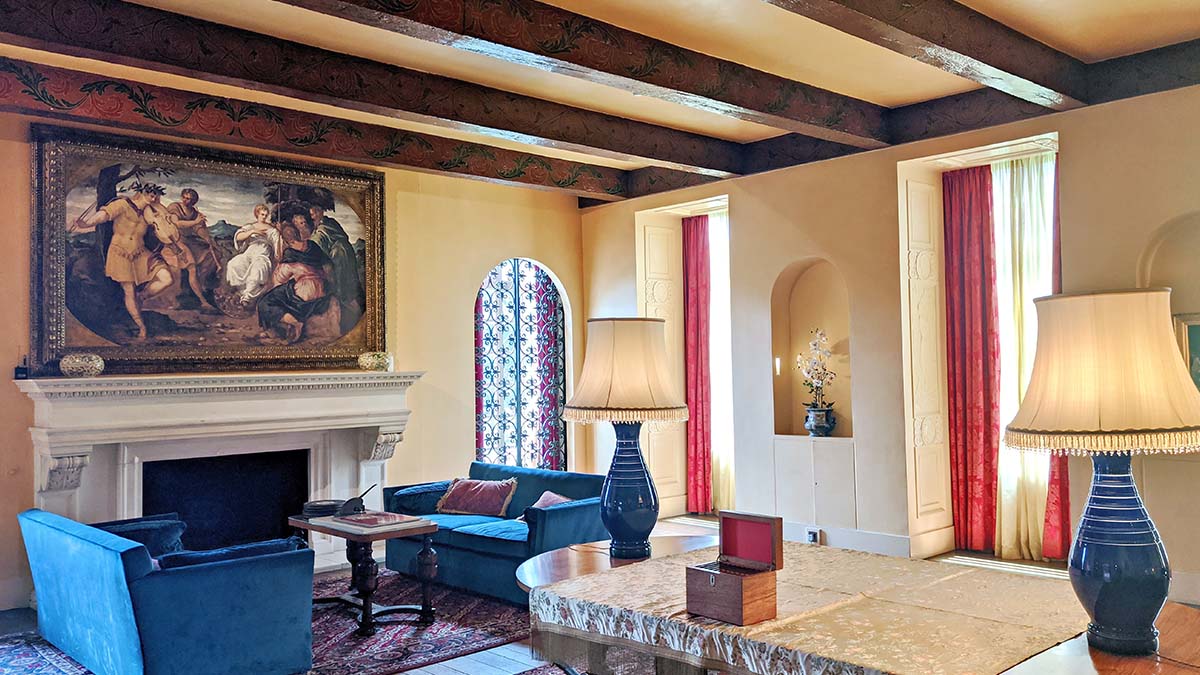
Spring fashion this year is telling us something specific about interior design trends Q3 and Q4 2026: consumers want surfaces they can feel, spaces that reward attention, and environments that carry personality. For investors and developers, it is not just aesthetic but what directly impacts rental appeal, perceived value uplift & decision speed.
Here’s How Fashion Translates Into Interiors
| Fashion Signal | Interior Insight | Why It Works |
|---|---|---|
| Lace tops and skirts | Sheer curtains, embroidered linens | Light, softness, layering |
| Fringe bags | Fringe sofas, tassels, passementerie | Craft and decorative movement |
| Satin shoes | Satin-finish upholstery, lacquered surfaces | Polish without excess |
| Chrome sneakers | Chrome accents, mirrored details | Reflective, contemporary edge |
| Capri trousers | Mid-century furniture, tapered legs | Retro but refined |
| Polka dots | Patterned cushions, ceramics | Graphic, optimistic, easy to commercialise |
Why Fashion and Interiors Are Moving in the Same Direction
Both disciplines are responding to current consumer preferences: the rejection of cold, over-curated spaces in favour of environments that feel human. Emotional interiors are not a styling preference right now. They are a market signal.
Trend 1: Texture and Tactile Layering for Sensory Interiors
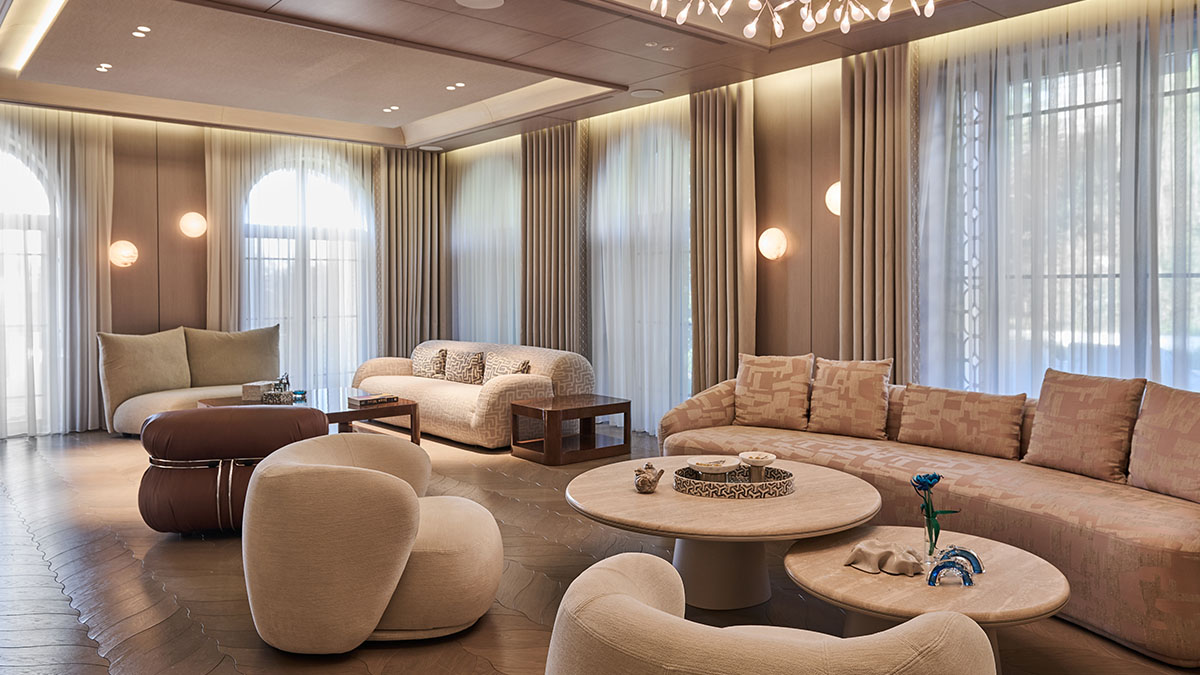
Tactile interior design is the dominant shift. Bouclé, linen, velvet, ribbed wood, and fluted glass are replacing colour as the primary tool for adding depth. This is romantic minimalism in practice.
Sheer curtains and light-filtering fabrics add layering without blocking natural light, which is a practical advantage in smaller UK units. Fringe detailing on cushions and throws is returning.
Key takeaway: Texture is safer than colour for rental markets and stronger for resale. It adds visual interest without alienating tenants.
Trend 2: Light-Responsive Finishes and Reflective Surfaces
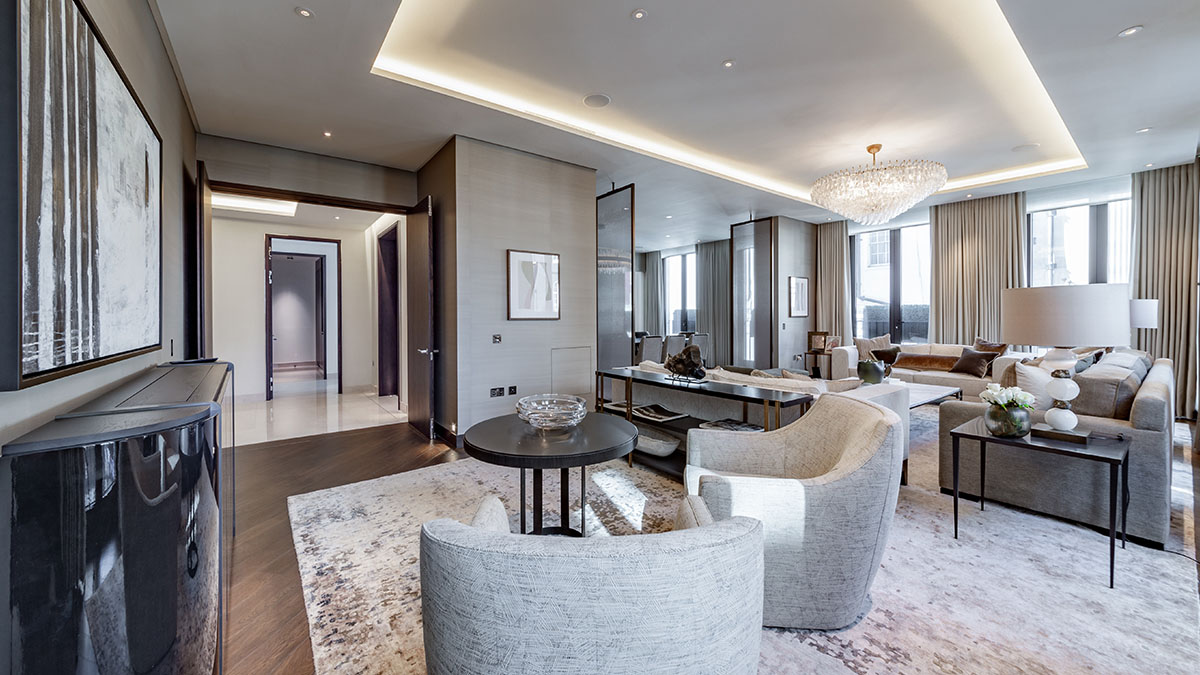
Reflective surfaces are back, but they are doing a job now. Glass, polished stone, and chrome accents increase light bounce, expand perceived space, and read as premium in listing photography, which is where most letting decisions begin.
Satin finishes are in, as they are easier to maintain but still high-spec. Metal accents are shifting from warm brass to cooler chrome, nickel, and brushed steel.
Key takeaway: Materials that catch light well photograph better, let faster, and justify stronger rents. This is perceived value uplift with minimal structural cost.
Trend 3: Chunky Silhouettes and Statement Furniture
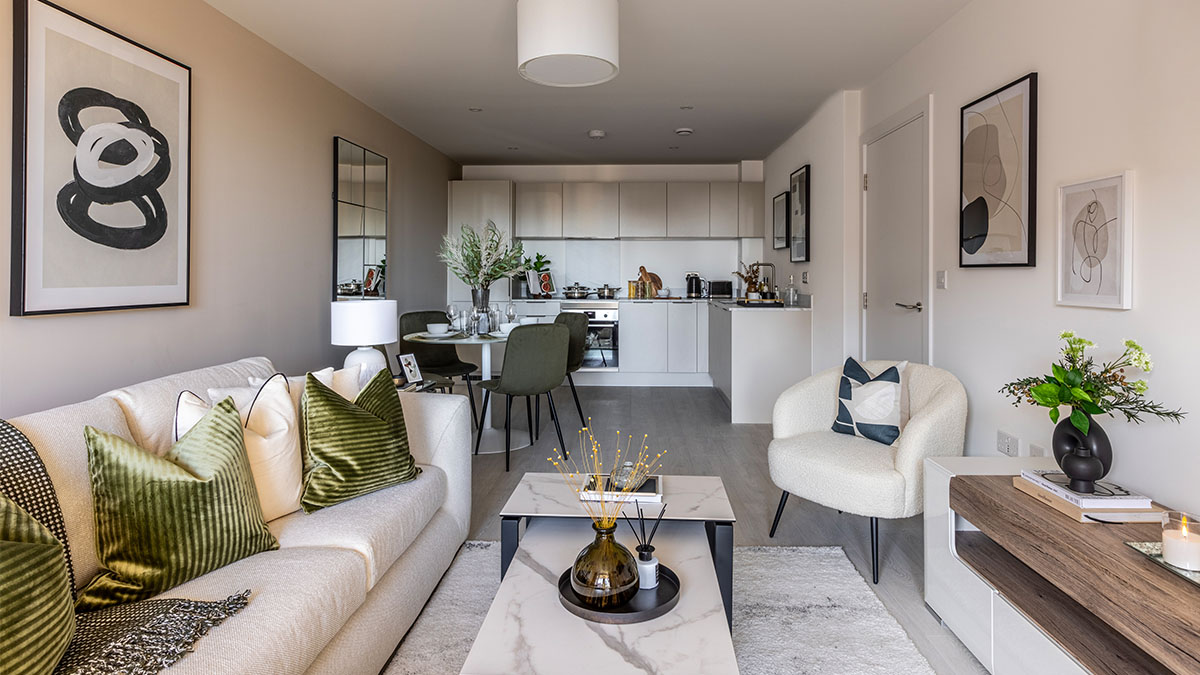
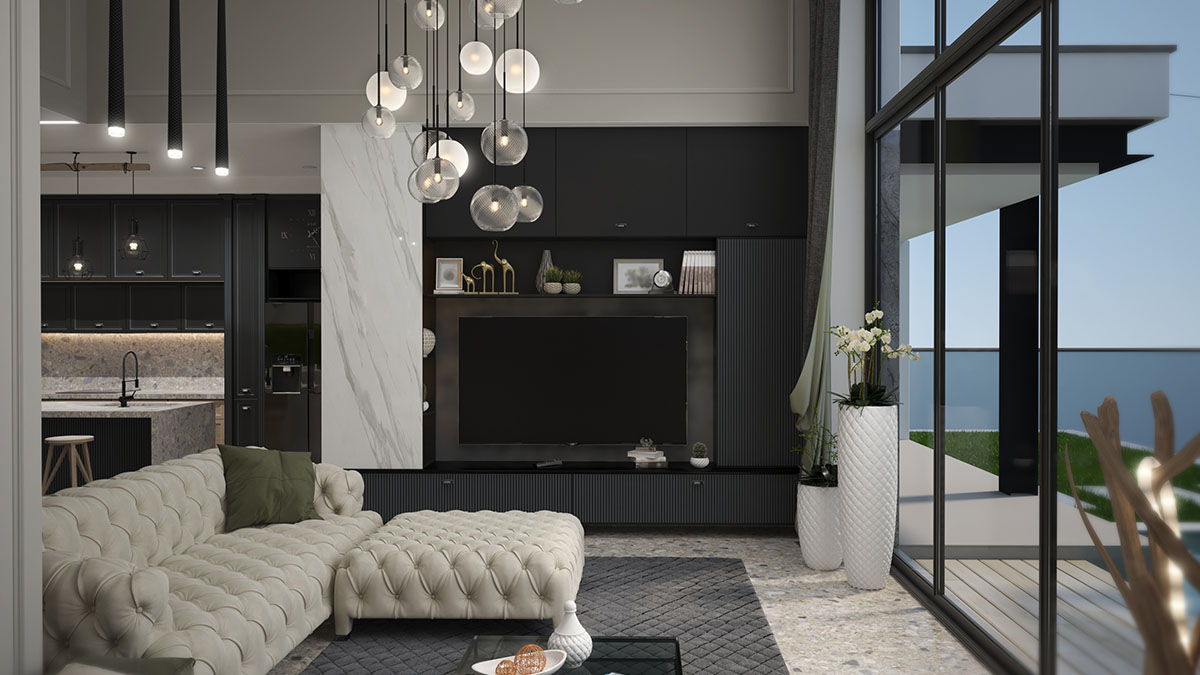
One oversized pendant. One sculptural chair. One statement ceramic. In Q3 and Q4 2026, a single considered piece is doing the work an entire room used to. Chunky coffee tables and rounded sofas anchor the scheme. The rest steps back.
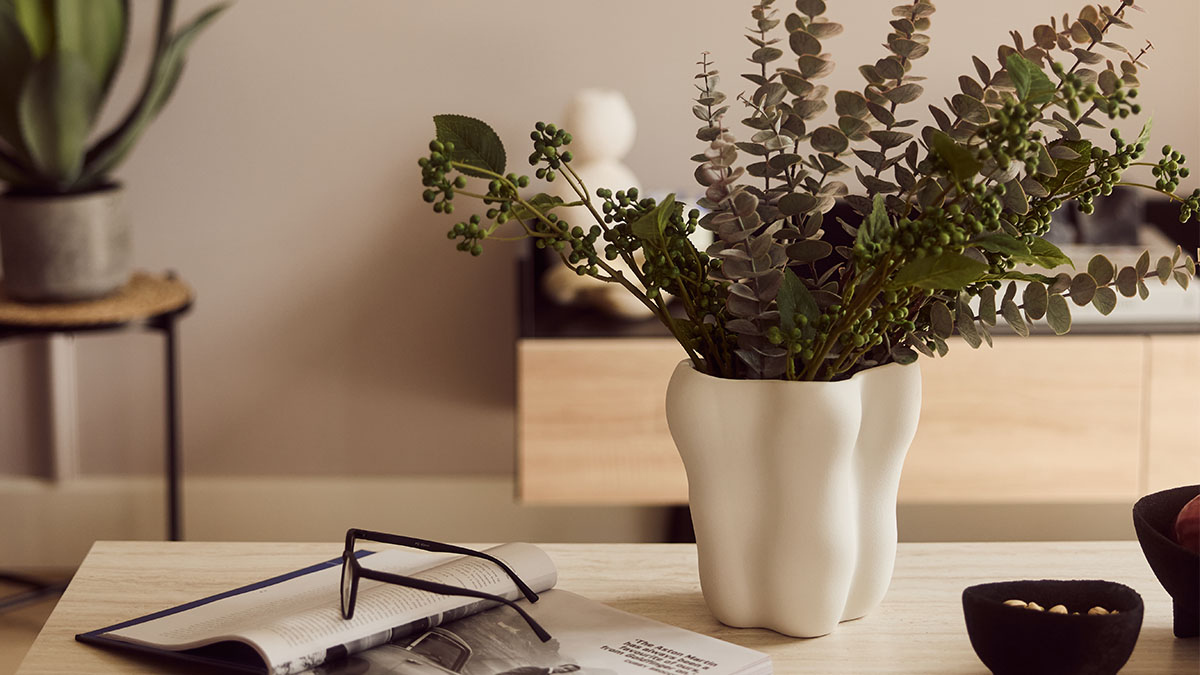
Decorative objects are becoming tactile. Ceramics and textured forms are replacing flat prints.
Key takeaway: Statement pieces reduce cost across the scheme without reducing perceived quality. High impact, controlled spend.
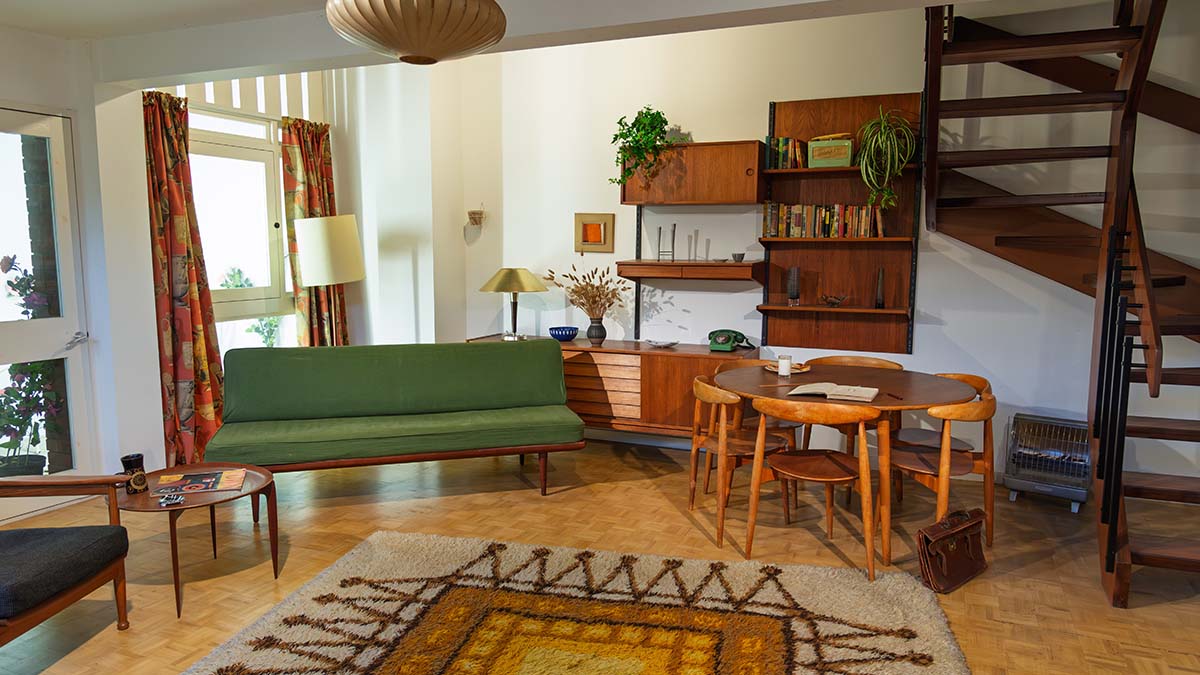
Trend 4: Retro Vibes with a Modern Edge
Mid-century modern remains relevant for UK apartments in Q3 and Q4 2026, but the application is precise. Walnut tones, tapered legs, and soft curves translate well. Full retro colour (avocado, burnt orange at scale) does not, particularly in constrained London units.
The approach is soft nostalgia: familiar enough to reduce friction for renters and buyers, but restrained enough to maintain broad appeal.
Key takeaway: Recognisable aesthetics shorten decision time. Apply the reference through furniture form and not colour palette.
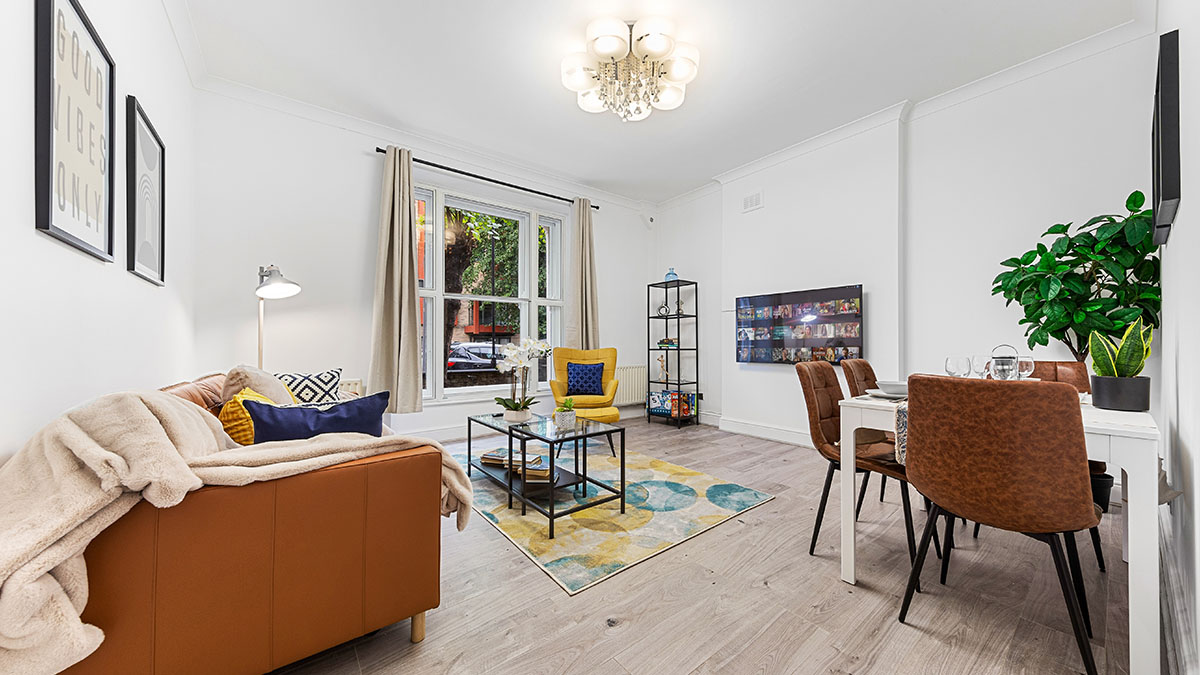
Trend 5: Less Visual Weight, More Usable Space
Space-efficient furniture is now an aesthetic position. Slimmer footprints, open-leg furniture & wall-mounted units create rooms that feel intentional, while negative space becomes a design choice.
This is particularly relevant for BTR apartment design, where spatial efficiency directly influences rental value and tenant satisfaction.
Key takeaway: Efficiency is the new luxury in high-density UK markets.
What This Means for UK Property and Lettings
Fashion trends may shift seasonally, but the underlying behavioural signals tend to last much longer. For developers, landlords, and BTR operators, the opportunity is to recognise where consumer expectations are moving before the market fully catches up. The schemes that perform strongest will likely be the ones balancing tactile comfort, visual clarity, and operational practicality, creating spaces that not only look current, but continue to justify stronger rents and sustained tenant demand over time.
Looking Ahead
Design trends only become valuable when they translate into stronger real-world property performance. In Q3 and Q4 2026, the most effective schemes will not necessarily be the most trend-led, but the ones that apply these shifts with restraint, commercial awareness, and a clear understanding of how modern tenants want spaces to feel and function.